
Can Syrian Missiles Threaten Turkish F-16s? A Look at Damascus' Five Most Capable Anti Aircraft Assets From S-300s to Foxbats and BuKs
Military Watch Magazine Editorial Staff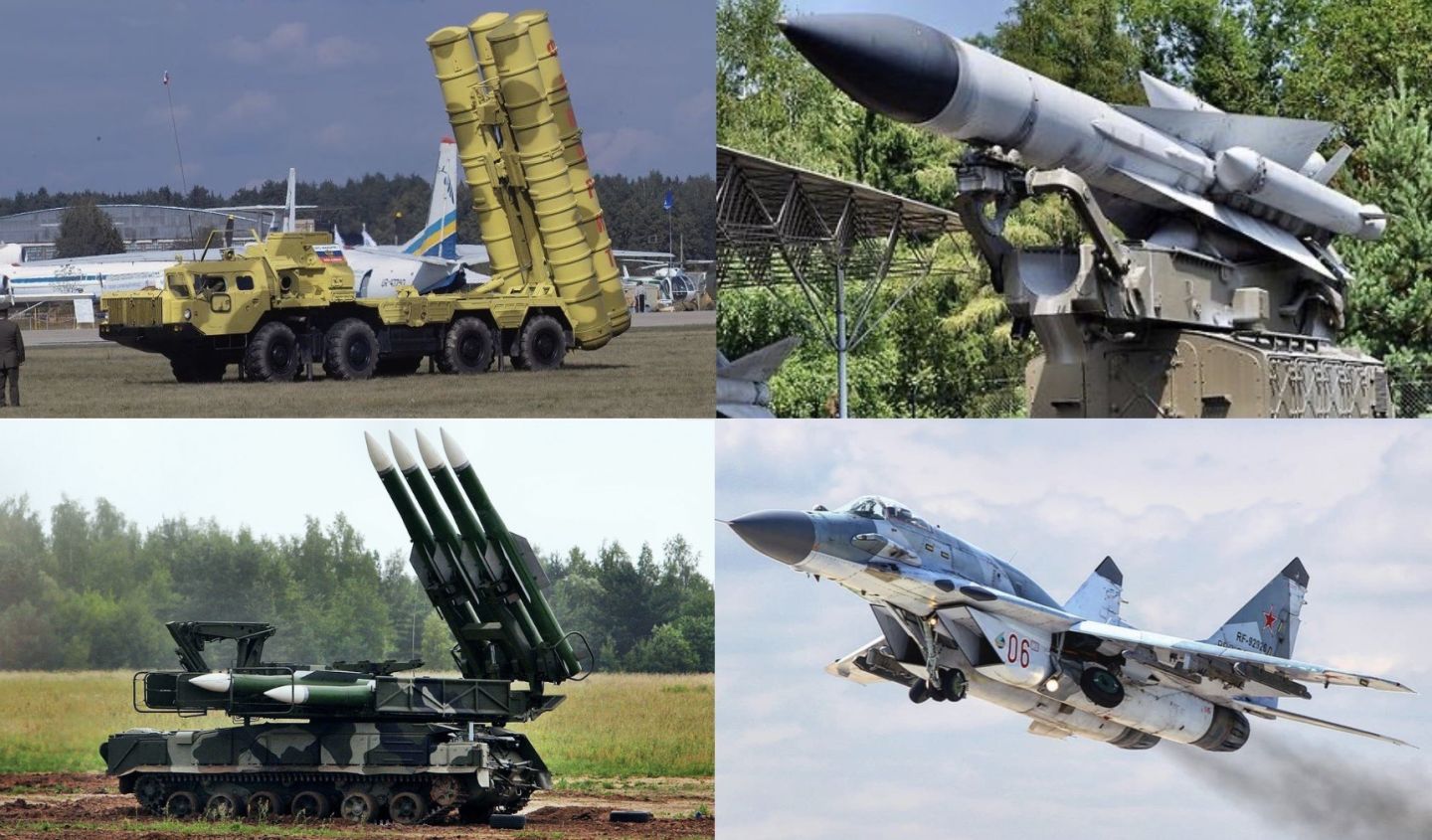
(clockwise from top left) S-300PMU-2, S-200, MiG-29, BuK-M2
Syria’s air defence network was previously considered the most advanced in the Middle East, with the country emerging as a leading Soviet defence client in the 1980s and receiving considerable military assistance and transfers of advanced armaments. While the Syrian Air Force saw its combat fleet deteriorate after the Soviet collapse, the toll on its air units and air defences from its ongoing nine year conflict with Islamist insurgent has been limited due to the nature of the war and its adversaries’ lack of air power. While availability rates for higher end combat jets such as its MiG-25 and MiG-29 are thought to be lower than in the Cold War years, with funds prioritised for ground units and aircraft which are either cheaper to operate such as the MiG-21 or more specialised in ground attacks such was the Su-24, the defeat of the vast majority of insurgent units and growing tensions with neighbouring state actors which have sponsored insurgent groups, namely Israel and Turkey, is speculated to have led Damascus to again divert funds to its aerial warfare systems. As tensions between Syria and its neighbours escalate, and the Syrian Arab Army sees direct clashes with the Turkish armed forces in Idlib province which have intervened to back islamist militias there, an assessment of the country’s most capable anti aircraft assets has considerable significance.
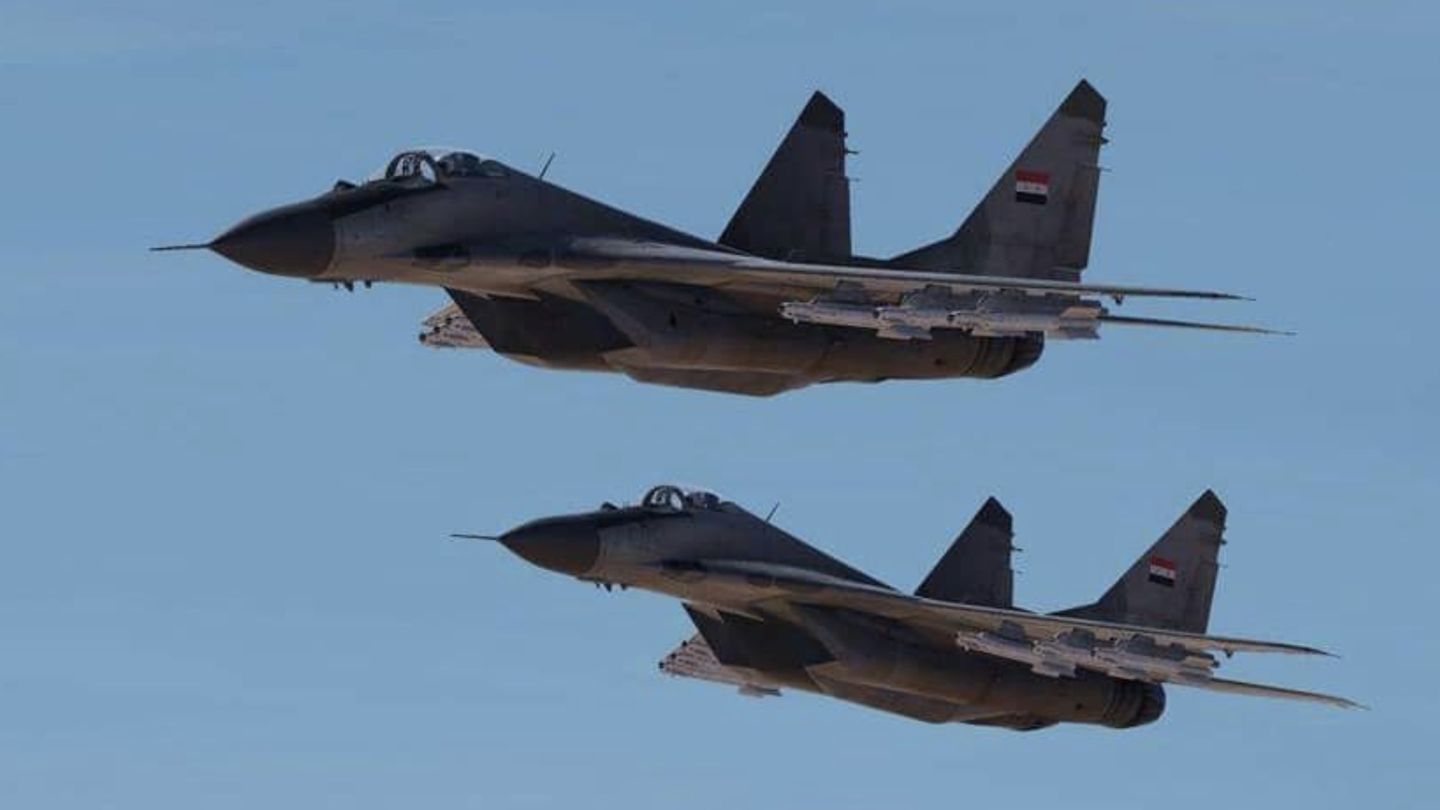
R-77 and MiG-29
Syria was one of the first clients for the Russian R-77 active radar guided air to air missile, which were reportedly acquired in the mid 2000s and used to equip the country’s two squadrons of MiG-29A fourth generation medium fighters. While the MiG-29A was considered a state of the art combat jet when acquired in the 1980s, Israel’s acquisition of the AIM-120C and Turkey’s acquisition of the less capable AIM-120B both left the MiGs at a disadvantage when relying on older Soviet era variants of the R-27 missile. The R-77 provides Syria with an analogue to the AIM-120C, although it has a slightly longer range and carries a heavier warhead. The missile’s electronic warfare countermeasures are very modern, and active radar guidance provides Syrian fighters with a ‘fire and forget’ capability. The missile was designed to neutralise high end Western aircraft such as the F-15C Eagles, and equips the elite of the Russian Air Force today. Against aircraft with a less impressive flight performance such as the F-16, particularly the older variants in Israeli and Turkish service, the missiles should provide a high kill rate.
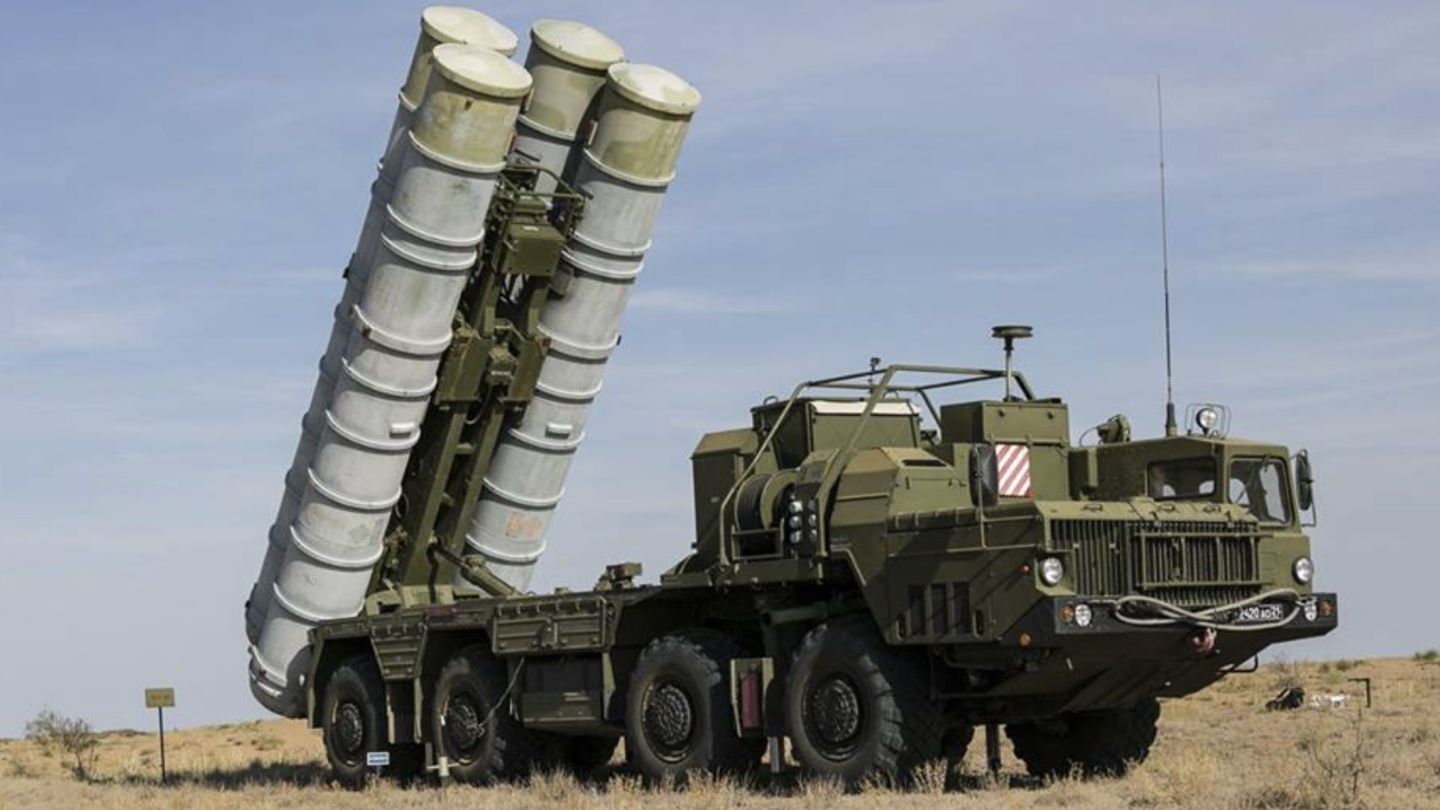
S-300PMU-2
Syria acquired the S-300PMU-2 in 2018, a missile system which it had long sought to purchase from Russia but which had been denied to it due to Israeli pressure on Moscow. The platform entered service in the Russian Air Defence Forces in around 1997, but still poses a major threat to fourth generation fighters today with upgrades continuing to be applied. The platform carries over half a dozen classes of surface to air missile, and if equipped with the 48N6DM or 48N6E3 missiles it will retain a 250km range and the ability engage targets at high hypersonic Mach 14 speeds. The delivery of this missile remains uncertain however, and it is possible that Syrian S-300 units use the older and less costly 48N6E2 which has a 200km range and a slower Mach 8.2 speed. The S-300PMU-2 can guide up to 64 air to air missiles against up to 32 targets simultaneously, including cruise and ballistic missiles as well as enemy aircraft.
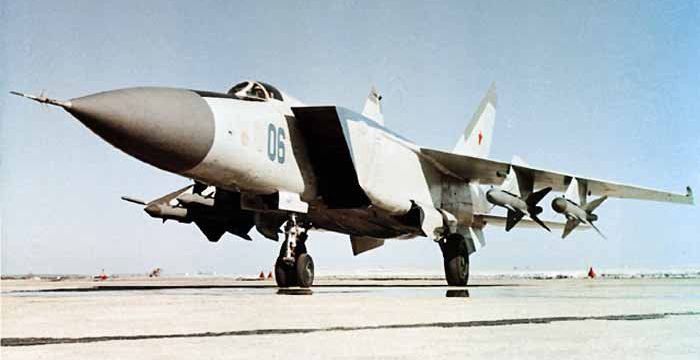
R-40 and MiG-25
One of the largest and heaviest air to air missiles developed, the R-40 carries a warhead almost five times as large as that on more standard designs such as the AIM-120 and has a long 80km range. The missile can marginally outrange the Turkish AIM-120B, but can be launched from much higher altitudes and at higher speeds by MiG-25 Foxbat interceptors giving a greater range advantage. While potentially lethal, Syrian Foxbats and R-40 missiles have not been upgraded to a modern fourth generation standard as those in Russian and Algerian service were, which does limit their potential particularly due to a lack of modern electronic warfare countermeasures. Should these be applied, the missiles and heavy interceptors will be extremely lethal, but even without such upgrades they represent potentially dangerous threat.
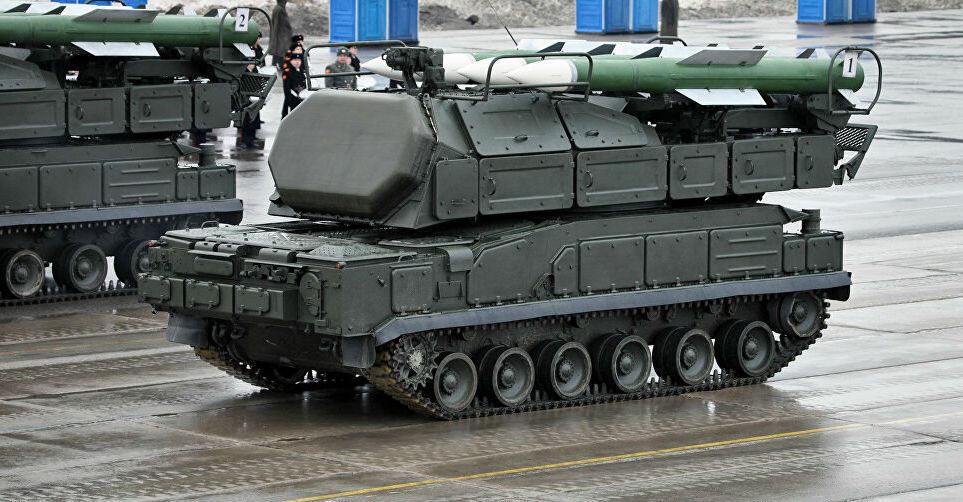
BuK-M2
Syria’s most modern air defence system with a standoff range, the BuK-M2 medium range system can engage targets up to 50km away and has very high probability of kill - reportedly 0.9-0.95 for aircraft and 0.6-0.7 for ballistic missiles. The system can detect fighter sized targets up to 160km away, and is highly mobile with a tracked launch vehicle. The BuK-M1 has proven highly capable in combat, downing multiple Israeli manufactured drones and reportedly also neutralising a Russian Tu-22M medium bomber and multiple Su-25 attack jets during the 2008 Russo-Georgian War. The M2 variant is considerably more capable, and against aircraft such as the F-16 with a mediocre flight performance the platforms are likely to prove lethal.
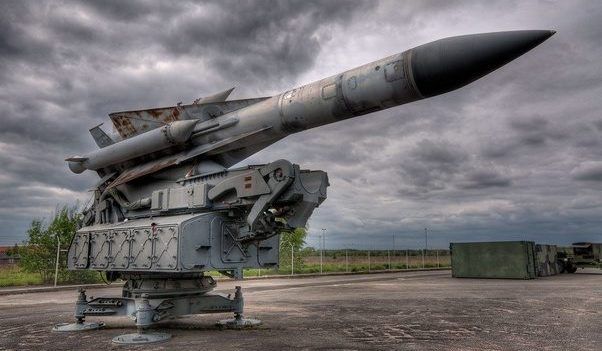
S-200
One of Syria’s older missile systems, the S-200 was first delivered to the country in 1982 to shore up defences against Israeli attacks. The system was reportedly responsible for downing multiple attack jets from the U.S. Navy during the Lebanon War, and its electronic warfare countermeasures have been modernised extensively with Russian and North Korean assistance since then. It remains uncertain which variants of the S-200 Syria currently deploys, and depending on this the system could have an engagement range of 200-300km. The S-200 shot down a single Israeli F-16I Fighting Falcon on February 10 2018, which demonstrated a new level of sophistication for the system’s electronic warfare countermeasures. Israeli fighters have relied more heavily on standoff attacks and been more cautious in confronting Syrian Air defences since. Against Turkish warplanes, which are far less sophisticated in the field of electronic warfare than their Israeli counterparts, these missiles are expected to prove lethal.
