
Bulsae-3 in South Lebanon: How Hezbollah Upgraded its Anti-Armour Capabilities with North Korean Assistance
Military Watch Magazine Editorial Staff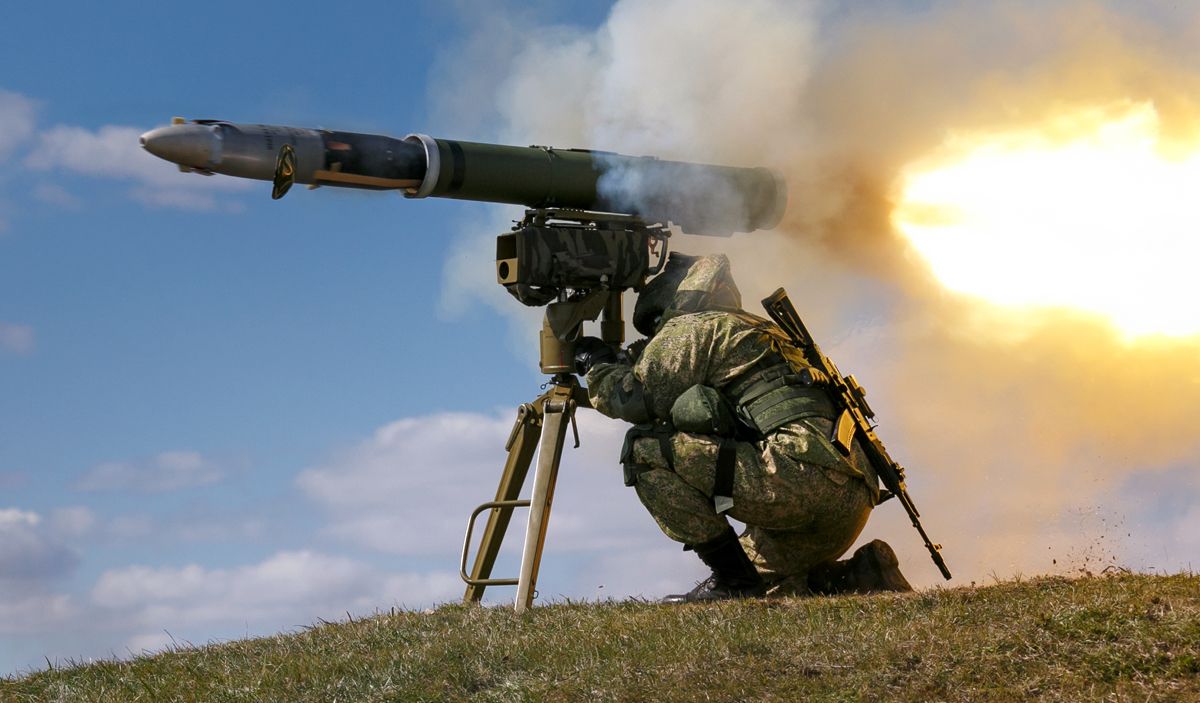
Kornet Anti-Tank Missile
One of the Lebanese militia Hezbollah’s most prolific and unexpected military successes in its 2006 war with Israel was the heavy toll it took on Israeli armour – with heavily protected Israeli Merkava III and the latest Merkava IV battle tanks previously considered all but invulnerable but on the frontlines taking serious damage with several from each class destroyed. An exchange of fire between Hezbollah and Israeli forces in the first week of September 2019, in which a single Israeli tank was reportedly targeted and successfully neutralised, has again highlighted the importance of the race between the former’s anti-armour and the latter’s armoured capabilities. Hezbollah’s foremost anti-armour weapon in the 2006 conflict was the Russian 9M133 Kornet missile, and the munition’s success was considered a major victory for the new weapons system against armour which was considered to exceed that of the NATO alliance in its survivability and sophistication. Hezbollah reportedly did not acquire the Kornet directly, but rather through Syria, and after the war Israel sought to press Moscow to place greater restrictions on the exports of these systems to deny Hezbollah the ability to replenish its arsenal or access to more advanced anti tank munitions such as the Kornet-EM.
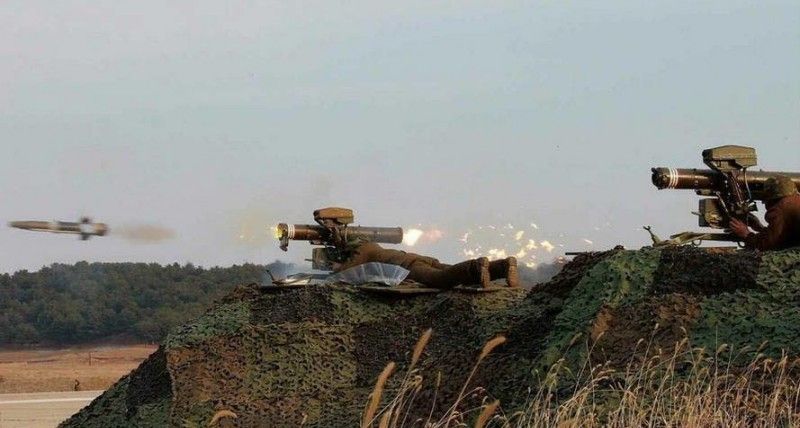
In 2009 Syria’s armed forces reportedly provided North Korea with Russian Kornet missiles for study, with the intention of purchasing new and more advanced Korean anti-tank missiles integrating similar technologies. The Korean People’s Army subsequently unveiled the Bulsae-3 in 2016, a platform which built on the Kornet’s technologies to provide a supposedly superior platform. The Bulsae-3 is thought to have entered service at an earlier point, but its capabilities were not publicly demonstrated for some years. Syria had a long history of acquiring North Korean missile technologies, and provided the country with a number of Russian and Soviet systems in the past for study before purchasing their Korean derivatives for its own use. The Korean KN-02 Toksa missile, based on the Soviet OTR-21 provided by Syria, is one of the better known examples. It is possible that Syria sought to provide North Korea with the Kornet for development of the Bulsae-3 due to growing Russian restrictions on the platform’s export, although it has been speculated that Syria may have been serving as an intermediary for Hezbollah. The Bulsae-3 is today thought to have replaced the Kornet as the primary anti-armour munition of the Lebanese militia, and is likely to see extensive service in potential future conflicts with Israel. With Hezbollah heavily reliant on Korean armaments, training and technical support, integration of future Korean anti-tank systems remains likely. Providing these systems to Middle Eastern defence clients further provides the Korean People's Army with a means to assess their performances against advanced armour and learn which tactics for use may be the most effective.
