
British Special Forces Probed on Severe War Crimes Against Afghan Civilians
Military Watch Magazine Editorial Staff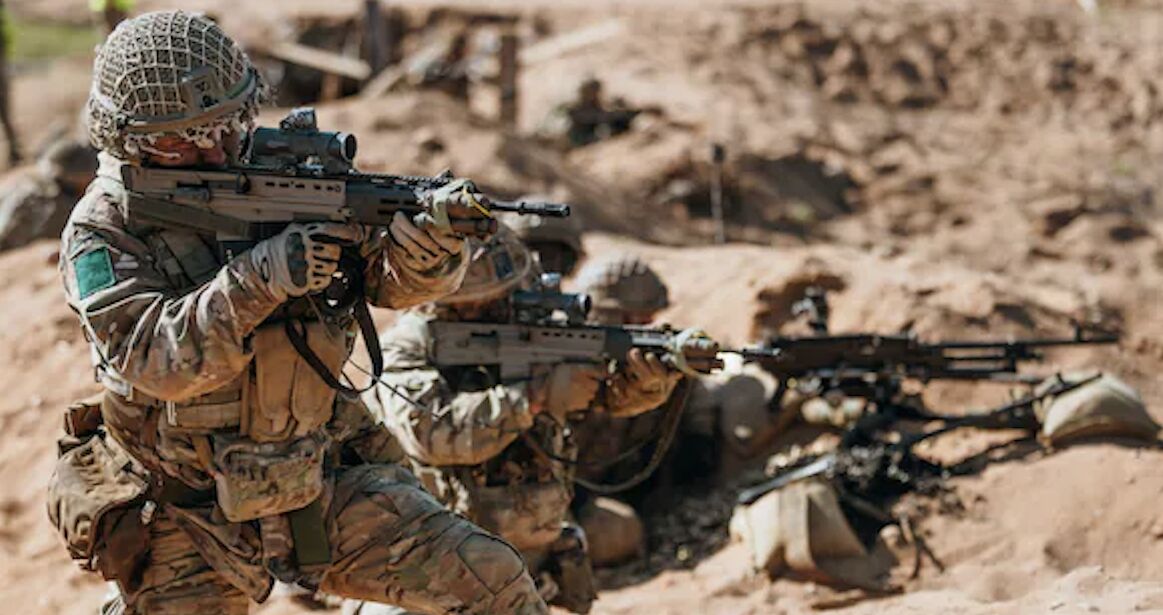
British Armed Forces Personnel
British Special Air Service (SAS) personnel are refusing to answer questions from a public inquiry into alleged unlawful killings during British military operations in Afghanistan, raising further questions over the conduct of elite units and the adequacy of previous investigations. Lord Justice Charles Haddon-Cave, who chairs the Independent Inquiry relating to Afghanistan, said on October 12 that a high proportion of personnel approached by investigators had invoked their privilege against self-incrimination. The inquiry is examining allegations of extrajudicial killings during operations between 2010 and 2013, alongside claims that evidence of unlawful activity was concealed and that subsequent investigations by the Royal Military Police (RMP) were inadequate.
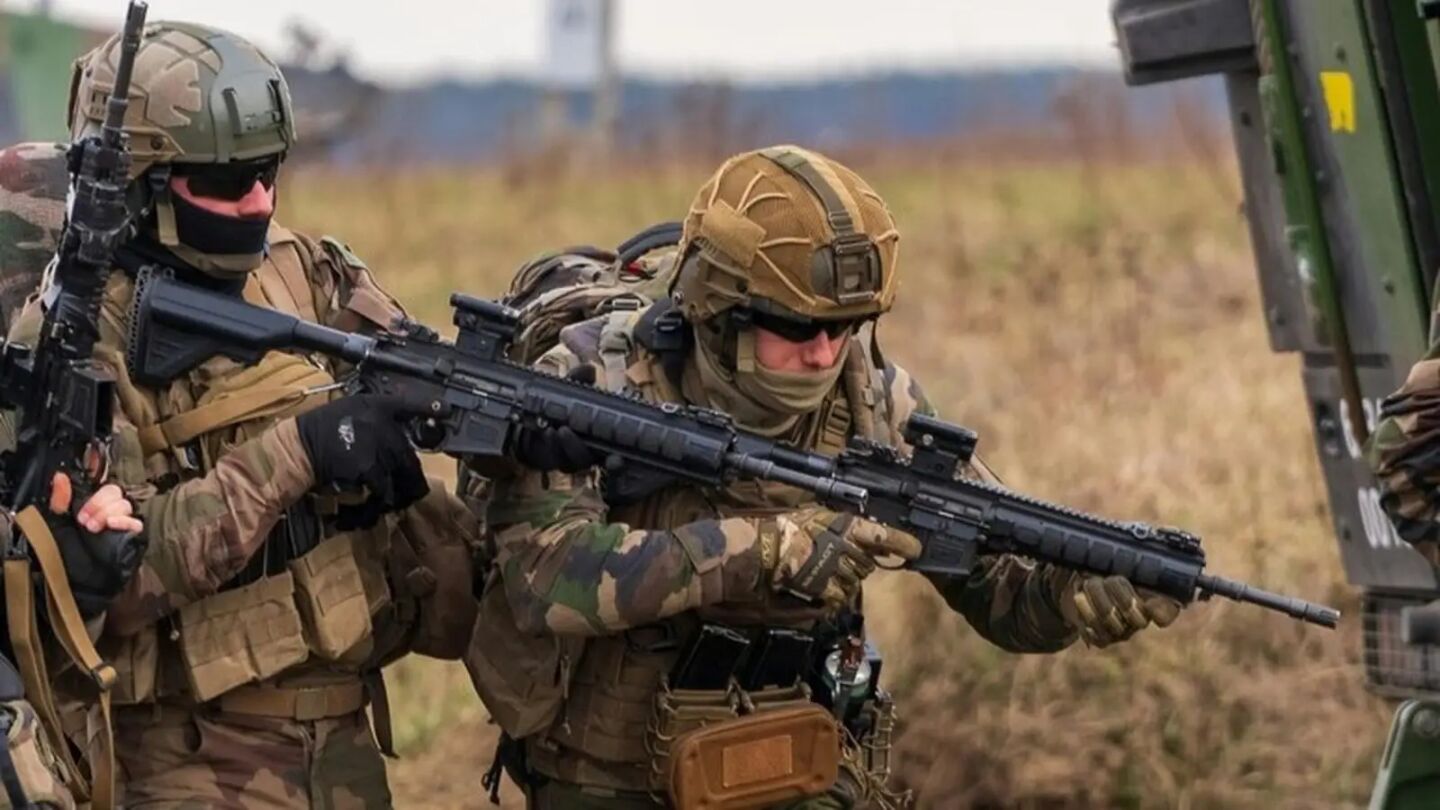
The discovery severe war crimes by NATO personnel in Afghanistan is far from unprecedented. Australian special forces were in 2020 revealed by the recent Brereton Afghanistan Inquiry Report, to have intentionally widely targeted civilians including children, in one case killing 39 Afghans, including two 14 year old boys, slitting their throats, bagging their bodies and dumping them in a river. The inquiry found that this was not an uncommon practice, with Australian personnel often required by superior officers to murder prisoners to get their first kills - a practice known as "blooding." "Typically, the patrol commander would take a person under control and the junior member, who would then be directed to kill the person under control," the report stated, indicating that the reported incident represented part of a much larger phenomenon relating to general Australian conduct.
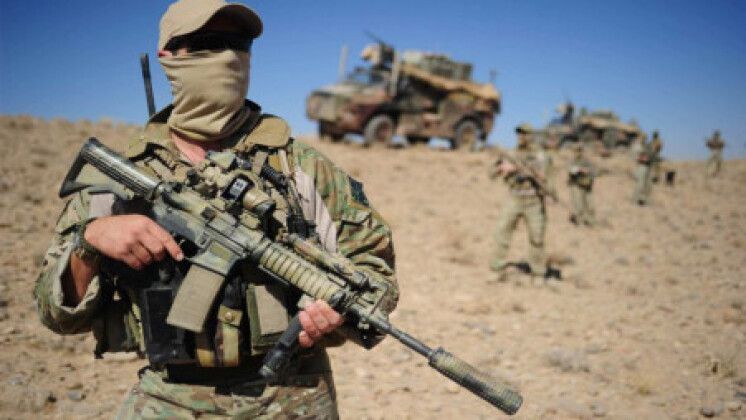
The Australian investigation further found that Australian forces would carry arms for the purpose of planting them on Afghan civilians they had killed in order to avoid blame for such massacres. The Brereton Afghanistan Inquiry Report highlighted a ‘cover up culture,' under which allegations of atrocities were routinely ignored by senior officers. Australian personnel were notably found a few weeks prior to have shot an Afghan prisoner because they had no room in their transport. The latest proceedings in the United Kingdom have uncovered substantial quantities of material that were apparently not examined during earlier investigations. Haddon-Cave disclosed that the inquiry had obtained approximately 10,000 high-resolution photographs taken during the deliberate detention operations that did not appear to have formed part of previous RMP inquiries, and which could provide additional evidence about the circumstances of individual incidents.
The latest British inquiry was established following allegations that members of an SAS unit killed 54 Afghans in suspicious circumstances during a six-month deployment to Helmand province between November 2010 and May 2011. A broader investigation is examining alleged unlawful killings during deliberate detention operations conducted by British special forces between mid-2010 and mid-2013. The inquiry is also considering whether senior personnel were aware of concerns about the operations, whether possible criminal conduct was covered up and whether military police investigations were sufficiently rigorous to establish what happened. These remain allegations under investigation rather than findings of criminal guilt against individual personnel.
