
Britain Seizes Tehran’s Oil Tanker - Iran Warns It Can Retaliate Against British Shipping
Military Watch Magazine Editorial Staff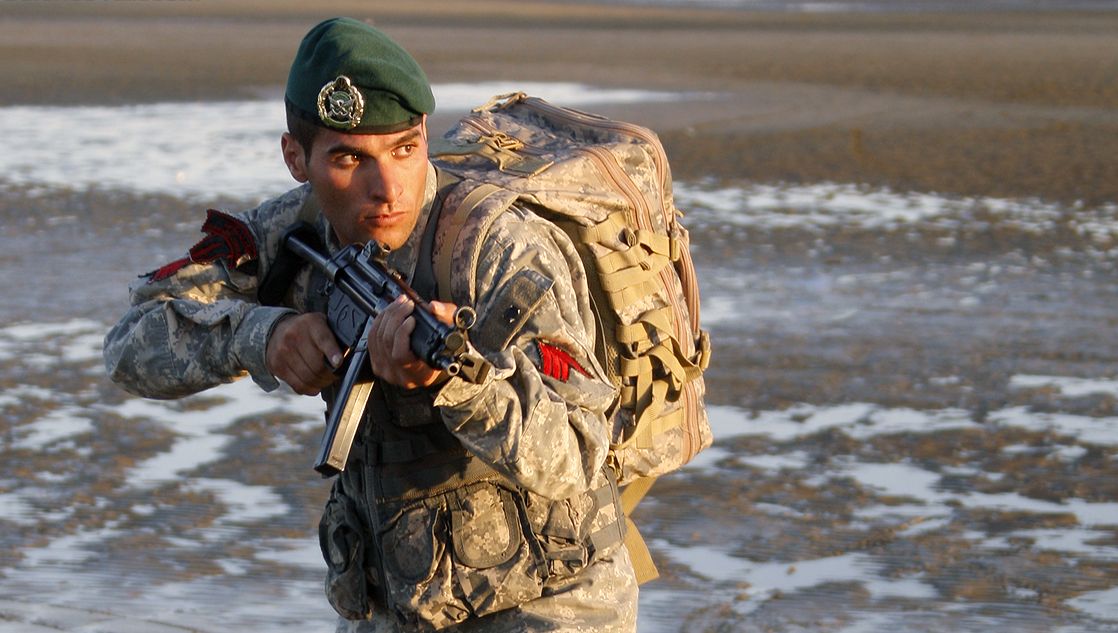
Iranian Marine
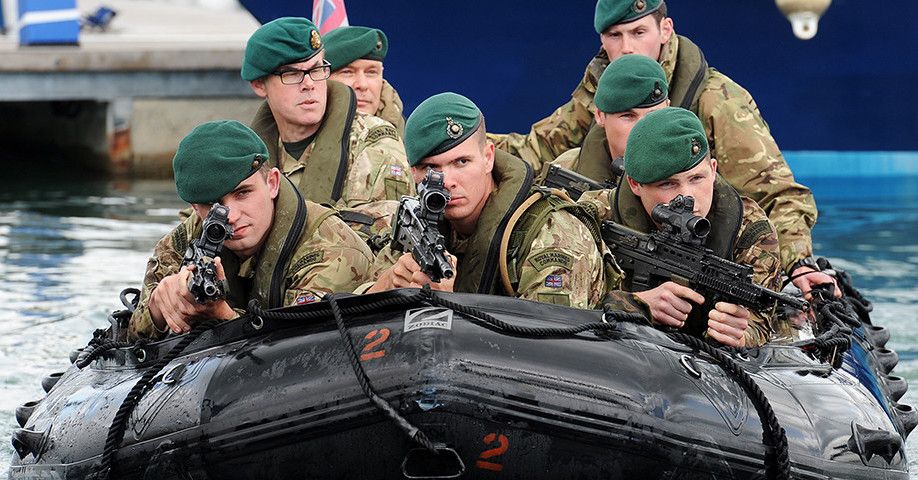
On June 4th Britain’s Royal Marines boarded the oil supertanker Grace 1 near Gibraltar - with the ship suspected of delivering Iranian oil to Syria. The unilateral seizure has been widely criticised as an illegal act, as no international law or United Nations Security Council resolutions have prohibited Iran from exporting its oil or Syria from importing it. Head of the Iranian Expediency Council and advisor to Supreme Leader Ali Khamenei, Revolutionary Guards Corps Major General Mohsen Rezai, has warned that the country’s armed forces could reciprocate by seizing British shipping if its tanker is not promptly returned. The General stated: “Islamic Iran in its 40-year history has never initiated hostilities in any battles but has also never hesitated in responding to bullies.” Iran’s Foreign Ministry accused London of piracy and summoned the British ambassador in response to the incident.
The seizure of the tanker comes amid growing Western pressure both against Iran’s oil industry and against the government of Syria. With the latter emerging from a major conflict, rebuilding efforts have reportedly been seriously impeded by Western economic sanctions which are set to remain in place indefinitely until a change of government approved of by Europe and the United States takes place. Syria’s close economic cooperation with a number of non-Western states including Iran, North Korea and China have seriously undermined the effectiveness of this Western sanctions regime however. The British seizure of the Iranian tanker is hardly a unique incident, with the United States unilaterally seizing a North Korean ship exporting coal to Southeast Asia in May 2019 - an act also criticised as being in violation of international law. Western powers including Spain, Britain and the United States among others have previously unilaterally impeded the maritime trade of a number of states - and such incidents are likely to escalate as the Western Bloc seeks to increase economic pressure against multiple targets. Whether Iran will respond to British actions in kind, and whether Iran and Syria will seek alternative channels for oil transfers, remains uncertain. Syria’s reliance on oil imports has increased in recent years, with many of the country’s oil producing regions formerly held by the Islamic State terror group and more recently captured by Western aligned rebel forces - which has undermined Damascus’ sufficiency in energy production.
