
Britain Deploys New Kamikaze Drones and Recon Platforms During Exercises on Russia’s Borders
Military Watch Magazine Editorial Staff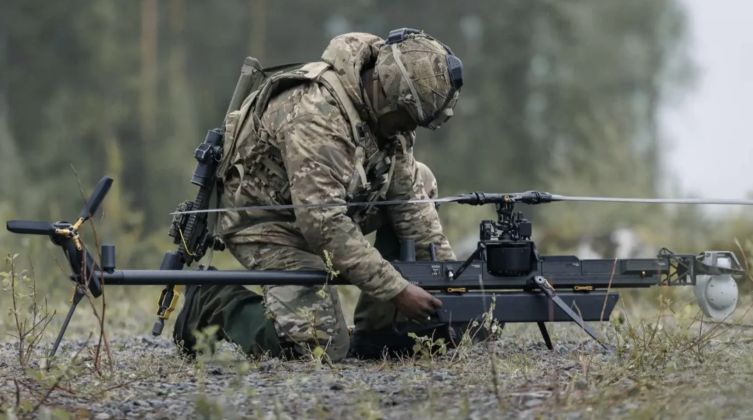
British Serviceman with Ghost Reconnaissance Drone in Estonia
The British Army has deployed new Bolt loitering munitions in Estonia, less then 70 kilometres from the Russian border, highlighting NATO’s continued efforts to enhance its forward offensive capabilities near Russian territory at a time of continuing hostilities in the Ukrainian theatre. The Bolt is a single use attack drone capable of identifying and striking armoured vehicles and other battlefield targets with precision. Its deployment and testing in exercises closely to Russia’s borders reflects a broader transformation in Western Bloc defence planning that has seen NATO members are increasingly investing in inexpensive yet highly effective loitering munitions, first-person-view drones and autonomous reconnaissance systems. The integration of these technologies into frontline formations stationed in the Baltic region provides units with the ability to locate and destroy targets rapidly while reducing risk to personnel.
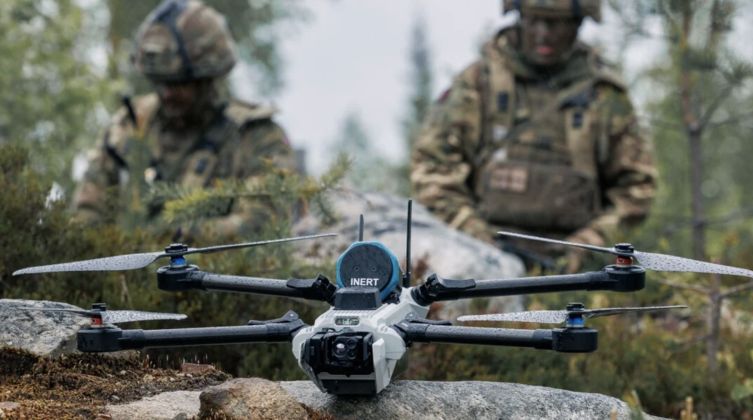
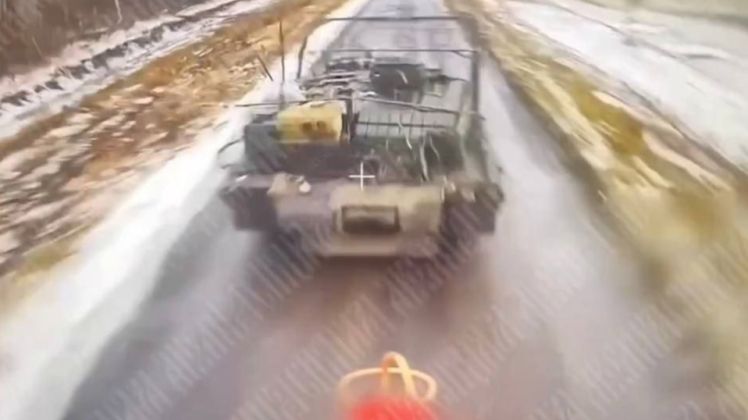
Regarding the way the new Ghost and Bolt aircraft can support operations with complementary capabilities, Exercise Conducting Officer for the 3rd Brigade Major Steve Watts observed: “With ‘Ghost’ and ‘Bolt,’ you can make a decision faster and you can kill things further away. What that does is it increases our lethality, it also increases our survivability, because you haven’t got to be there to kill something, you can send a sensor forward, and that’s really critical as we look to the future.” “The people on the ground that have a TAC on their chest can see what the drone is seeing. It can show that an enemy aircraft has entered your area. It can give instant situational awareness, and that’s all key, because once you join together like that, you can pass information, and therefore you can become more lethal,” he added.
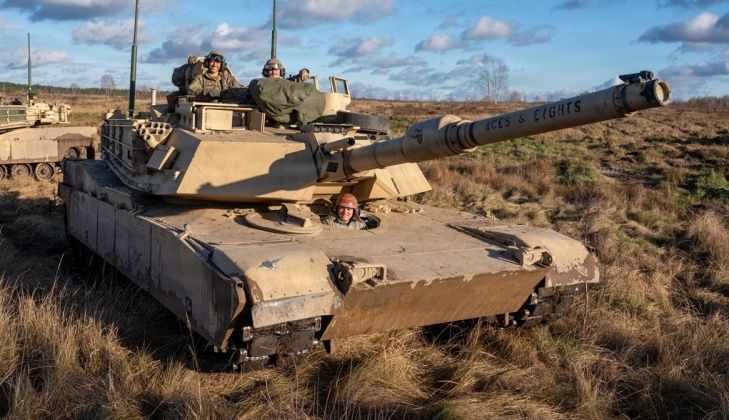
The strengthening of the British reconnaissance strike complex in Eastern Europe represents part of a much greater expansion of Western Bloc forces in the region, at a time when NATO member states’ forces are actively involved in hostilities in the Ukrainian theatre. The United States has reinforced air and ground deployments across Poland and the Baltic states, while Germany is establishing a permanent armoured brigade in Lithuania, and France has recently deployed nuclear armed Rafale fighters for exercises with Poland. Forces on the ground in Ukraine that have been actively engaging Russian forces have included active units from services such as the British Royal Marines, as well as contractors from organisations such as the U.S. Forward Observation Group and the Polish Volunteer Corps.
