
Britain Initiates First Ever Tactical Ballistic Missile Program to Rebuild Ukraine’s Arsenal Against Russia
Military Watch Magazine Editorial Staff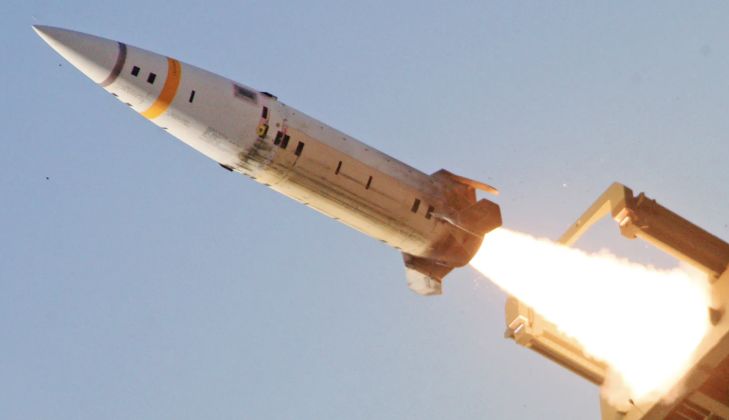
ATACMS Ballistic Missile Launch
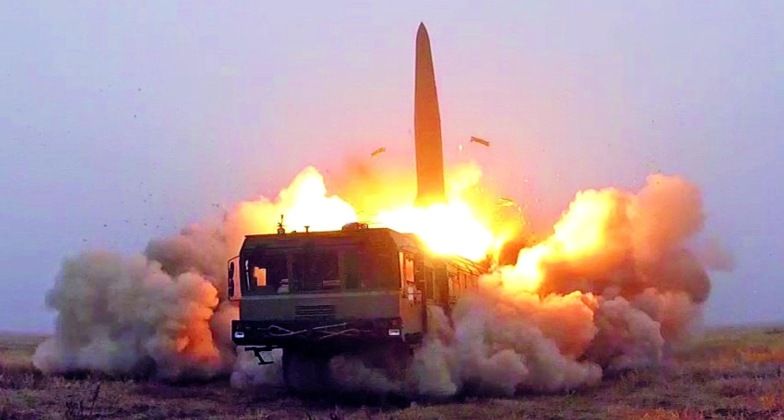
The United Kingdom Ministry of Defence has launched a competition to rapidly develop a ground-launched short ranged ballistic missiles to re-equip the Ukrainian Army under Project Nightfall, which was first publicly announced on January 11. The project builds on an earlier early engagement notice in August 2025 outlining requirements for cost-effective ballistic missiles, and could complement Ukraine’s other ballistic and cruise missile development programs including the indigenous Flamingo subsonic cruise missile program with a 3000 kilometre range. Russia’s outstandingly large and capable arsenal of short range tactical ballistic missiles, including those deployed as part of both the Iskander-M and the North Korean KN-23 and KN-24 systems, has provided a primary advantage during the ongoing war effort, with the development of a robust Ukrainian missile arsenal potentially narrowing the gap in strike capabilities.
Although Project Nightfall is not a joint program, the British Ministry of Defence is contracting UK industry to design and build the missile specifically for use by Ukraine, with no indications having been given that it is intended for the British Army. The British defence sector has little experience in ballistic missile development, with the only ballistic missiles in the British Armed Forces, the UGM-133A Trident, having been developed and produced predominantly in the United States. This has raised questions regarding the country’s ability to provide significant contributions to development beyond financing. Project Nightfall is the first program in British history to develop a tactical ballistic missile, with the only such missile to have been fielded by the British Armed Forces, the very short range Lance missile, having been procured from the United States.
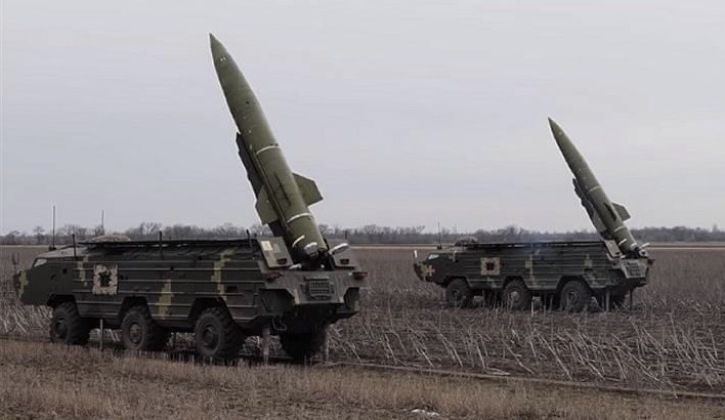
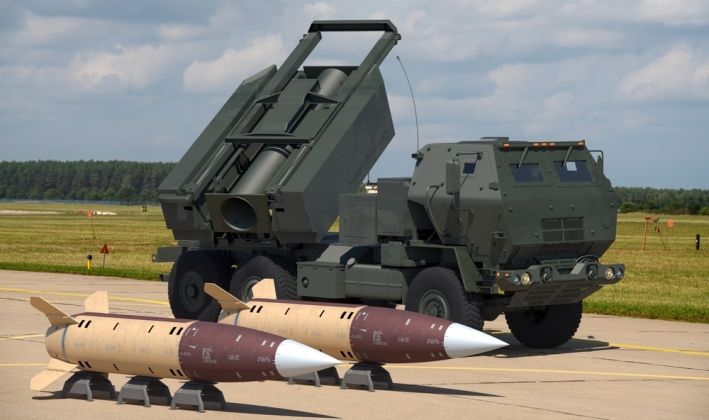
Ukraine’s ballistic missile strike capabilities have wavered significantly, diminishing when supplies of OTR-21 systems inherited from the Soviet Union were largely depleted, before rising again when the United States began to supply ATACMS ballistic missiles, and falling again as the U.S. fell far short of being able to sustain supplies at the rate the Ukrainian Armed Forces were expending them. Significant concerns have been raised that the scale of supplies to Ukrainian Armed Forces have resulted in a serious depletion of the tactical ballistic missile stocks needed by the U.S. Army. Tactical successes achieved using the ATACMS the Ukrainian theatre have nevertheless been significant, including the destruction of launchers an radars from S-400 air defence systems, the successful neutralisation of Russian Iskander-M ballistic missile launchers. Operating the system has relied heavily on sizeable networks of Western specialists on the ground in Ukraine, and on support from satellite assets.
The missile intended for development under the new British program is expected to have a range of over 500 kilometres and a warhead of 200 kilograms - approximately 40 percent the warhead size of the Iskander-M and 20 percent that of the North Korean KN-23B supplied to Russia. The complexity of developing ballistic missiles with irregular trajectories capable of evading advanced air defences could make the program particularly challenging, although the possibility of technology transfers and other support from the United States could help to expedite development considerably. The viability of missile production in the medium-to-long term nevertheless remains questionable, as Russia continues to expand its ability to strike targets across Ukraine, including key industrial facilities involved in missile production. The missile may be intended to capitalise on a ceasefire agreement which countries across Europe have pushed for to allow Ukraine to rebuild its forces and its arsenals for future hostilities.
