
Armenia Threatens Use of Iskander Hypersonic Missiles to Deter Turkish F-16 Attacks
Military Watch Magazine Editorial Staff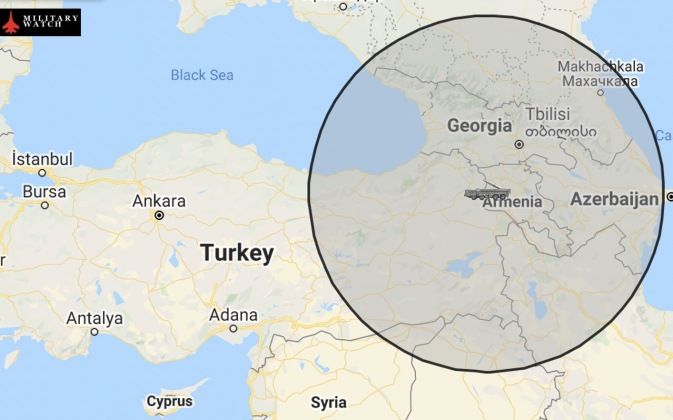
Iskander Missile Range From Western Armenia
Amid ongoing clashes between Armenian and Azeri forces over control of the disputed Nagorno-Karabakh region, the latter party’s close defence partner Turkey has reportedly threatened to deploy American-supplied F-16 fighter jets against Armenian forces. This follows multiple reports that Turkey had dispatched Al Qaeda-linked jihadists to support Azeri forces against the Armenian Army, and could represent the third foreign military intervention by the NATO member state this year following major interventions against the Russian backed Syrian Arab Army and the Egyptian backed Libyan National Army. The Armenian government has referred to the threat of Turkish intervention a ‘Sword of Damocles’ hanging over the Nagorno-Karabakh region, with the country’s ambassador to Russia warning that the armed forces would counter any deployments of Turkish fighter jets with use of Iskander hyepronsic ballistic missiles. Short of such intervention, however Armenian officials have expressed confidence that existing air defences will be sufficient to counter the presence of Turkish and Israeli military drones which are supporting Azeri operations.
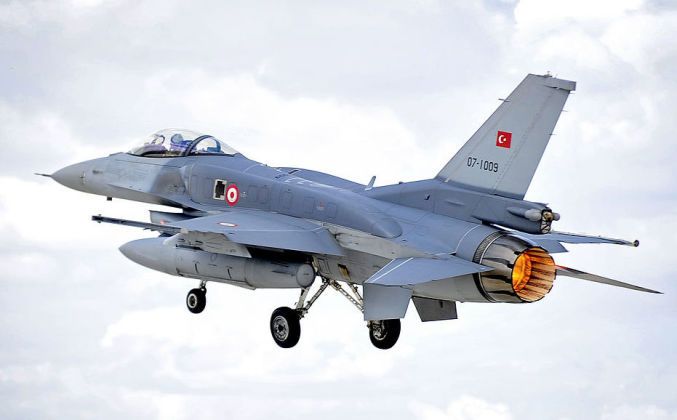
Armenian Defence Ministry spokesman Artsrun Hovhansyan warned that Armenia could escalate to deploying heaver weaponry should “the logic of battle” call for it - which was widely seen to refer to the Iskander and possibly to Kh-31P air launched cruise missiles as well. Turkey has notably failed to finalise any agreement to modernise its Air Force with new fighter jets, with its plans to acquire F-35A fighters from the United States falling through and its negotiations to purchase Su-35s from Russia dragging out for over a year despite promising initial signs. As a result it is forced to rely on the F-16C lightweight jets, a platform which has not been equipped with any post 1990 air to air weapons and is increasingly being considered obsolete by major operators. Although the F-16 is no match for Armenia’s Su-30SM heavyweight fighters, which are not only much more advanced but also from a much higher weight range, Turkey enjoys more experience operating fighter aircraft, access to AEW aircraft for support, and a vast numerical advantage - meaning the Armenian Air Force alone would be poorly placed to handle a large scale Turkish intervention.
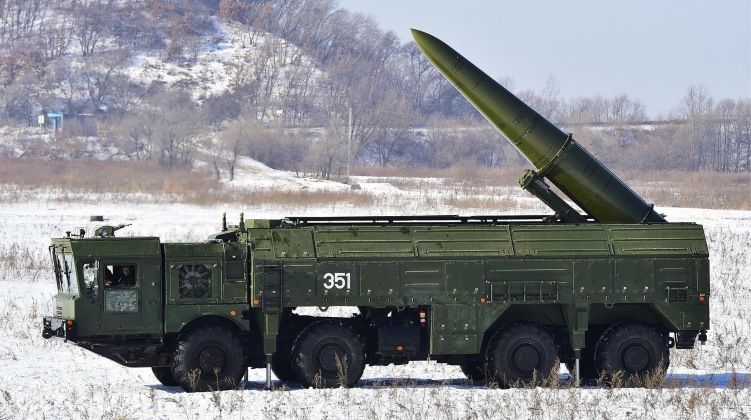
The Iskander missile provides Armenia with an asymmetric means of tackling Turkish threats, with the country having been the first to receive the state of the art hypersonic ballistic missile class from Russia. Armenia was the first confirmed export client for the Iskander hypersonic tactical ballistic missile system, which is considered the most capable platform of its kind in the world and is thought to have been purchased specifically to counter Azerbaijan’s air defences. The Iskander’s solid fuel composite, its high mobility and its extremely short launch time all allow it to remain survivable and to launch strikes with little to no warning. The missile is capable of maintaining high speeds throughout the middle and terminal stages of its trajectory and impacting at speeds of Mach 7, which combined with the its high manoeuvrability and advanced radar evading capabilities makes it very difficult to intercept. Armenia is estimated to deploy over 48 of the missiles, which could if deployed neutralise all airbases in Azerbaijan and many more across much of Turkey. Due to the very small size of the country’s Su-30SM fighter unit, and the mediocre capabilities of its remaining assets, the Iskander will be relied on heavily to deter escalation by its neighbours which lack any comparable strike assets of their own.
