
Argentine Air Force Selects South Korean FA-50 Fighters For Fleet Modernisation
Military Watch Magazine Editorial Staff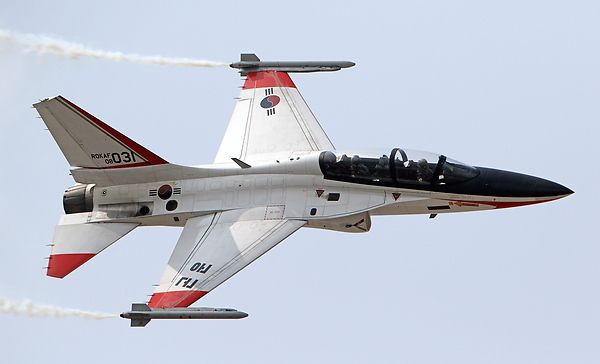
South Korean FA-50 Light Fighter
The Argentine Air Force has reportedly selected the Korean Aerospace Industries (KAI) FA-50 Fighting Eagle to modernise its increasingly obsolete combat fleet following a long evaluation process. The South American state is expected to sign a contract for the acquisition in the near future, marking the first sale of the FA-50 outside Asia and the Middle East. While the exact number of fighters set to be acquired remains uncertain, Argentine media has reported an acquisition of ten aircraft. This may be followed by a second batch of similar size.
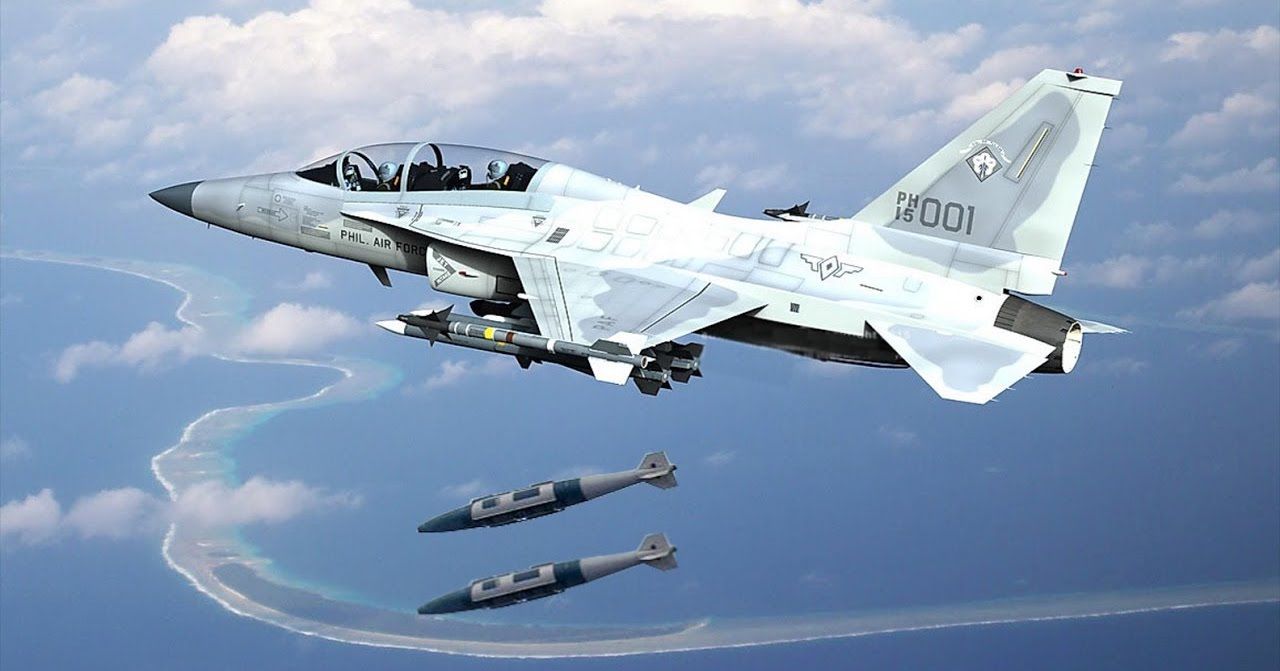
While Argentina has the fourth largest fleet of combat aircraft in Latin America numbering 55 as of 2019, much of the fleet is ageing into obsolescence and it currently lacks any fighter jets whatsoever. The only prominent combat assets in the country’s air fleet are 22 ageing A-4 Skyhawk attack jets - a platform which first flew 65 years ago in 1954. Argentina’s is the only Air Force which still operates this class of combat jet. The country previously fielded lightweight second generation combat jets, the Mirage III fighter and Mirage 5 attack jet, which were considered obsolete even during the Falklands War in the 1980s. The FA-50 will thus represent by far the most modern and capable combat jet Argentina has ever deployed. The lightweight Korean fighter is closely derived from the T-50 trainer, and has been widely praised for its impressive combat performance against Islamist militants in the Philippines. The fighters are capable of deploying a wide range of munitions for air to ground roles, and can also deploy AIM-9 Sidewinder missiles for air to air engagements. With Argentina’s cash strapped economy struggling to fund the maintenance of its armed forces, the FA-50 will be particularly prized not only for its low price, but also for its extremely low maintenance requirements and operational costs.
