
America’s Three Combat Aviation Giants Now Have Clear Labour Division for Next Generation Warfare
Military Watch Magazine Editorial Staff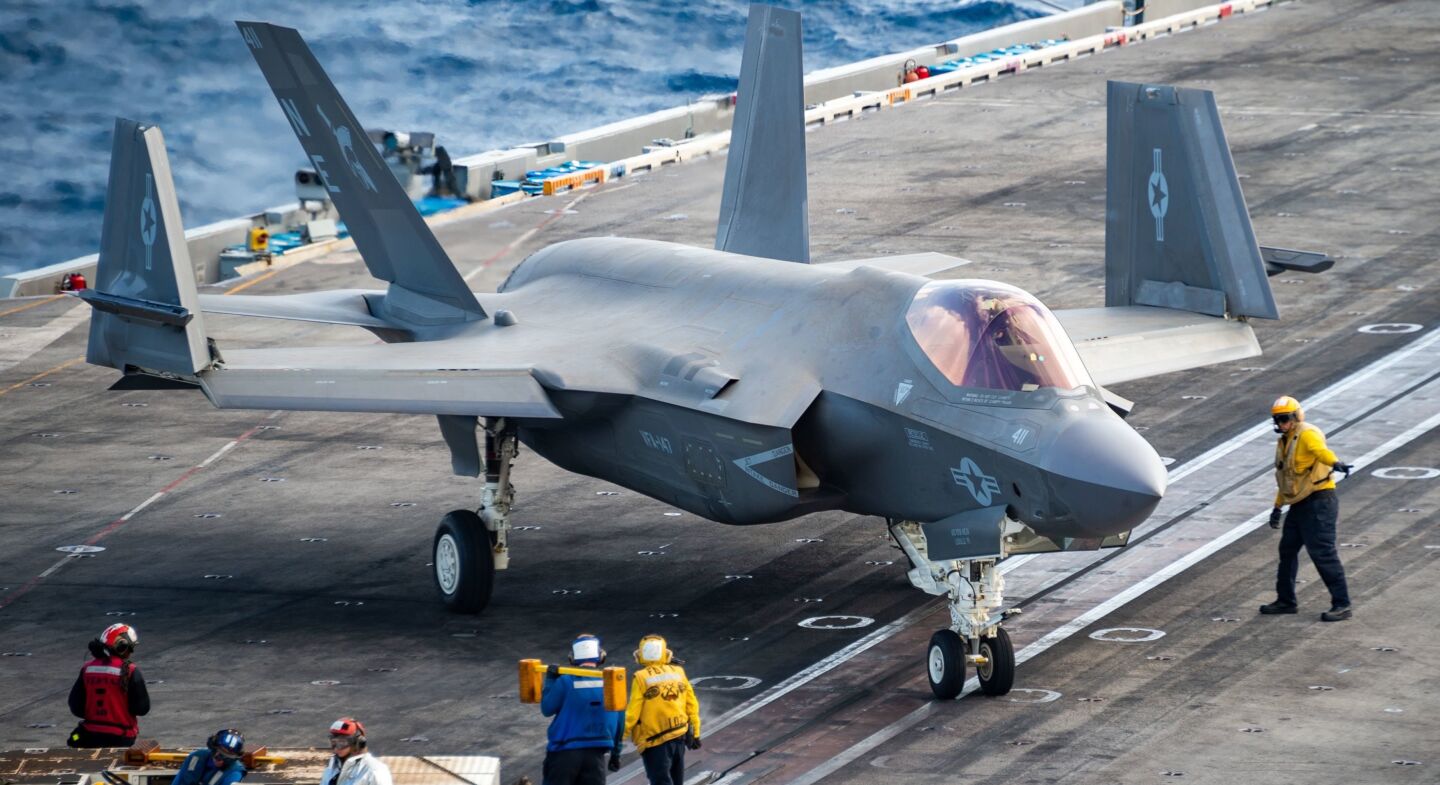
F-35C Fighter
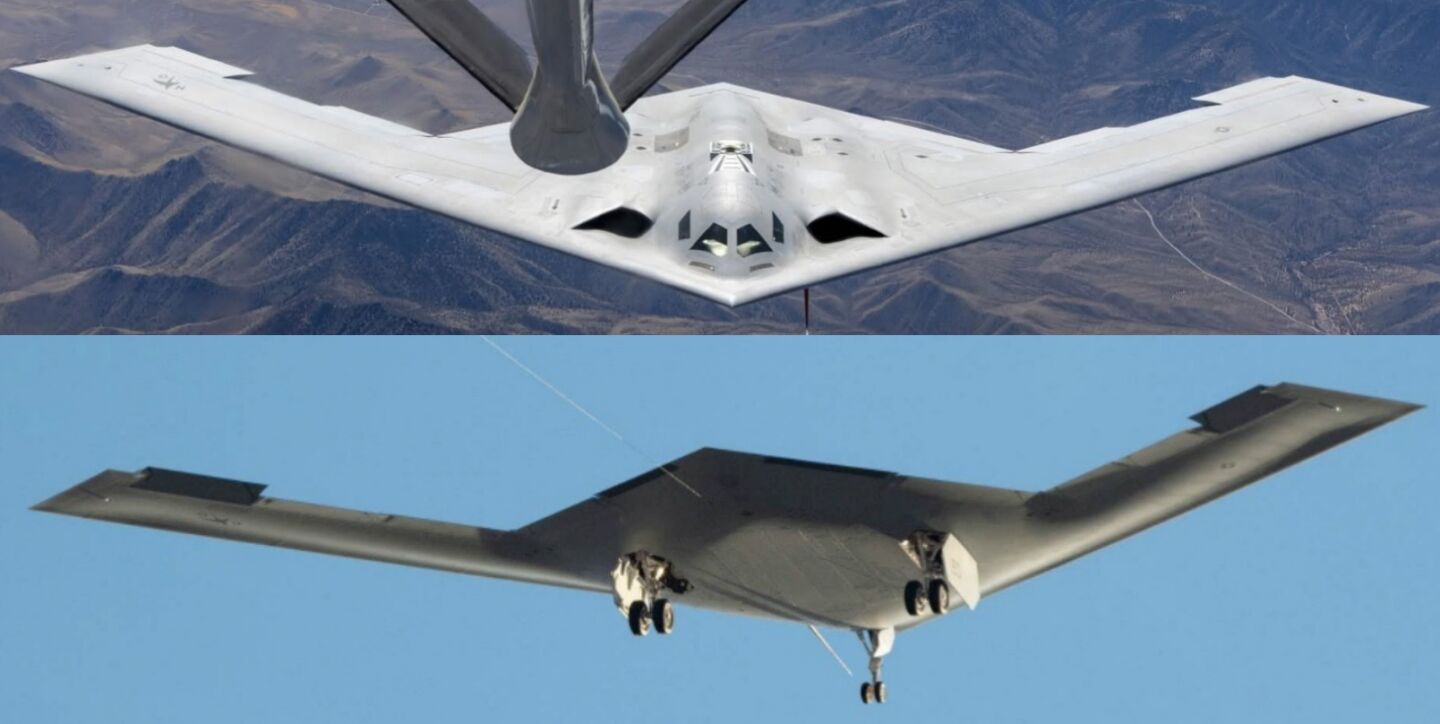
Following Boeing’s selection for the development of the U.S. Navy’s F/A-XX sixth generation fighter program, the United States has established a distinct division of labour between its three largest military aircraft manufacturers for fifth and sixth generation combat aviation programs. Boeing has emerged as the principal contractor for the country’s sixth generation fighter programs, having unexpectedly been awarded with contracts for both the F/A-XX, after it was also selected for the Air Force’s F-47 under the Next Generation Air Dominance Program in 2025. Northrop Grumman, which was initially expected to be awarded contracts for the F/X-XX, will instead focus on the development of the B-21 next generation bomber.

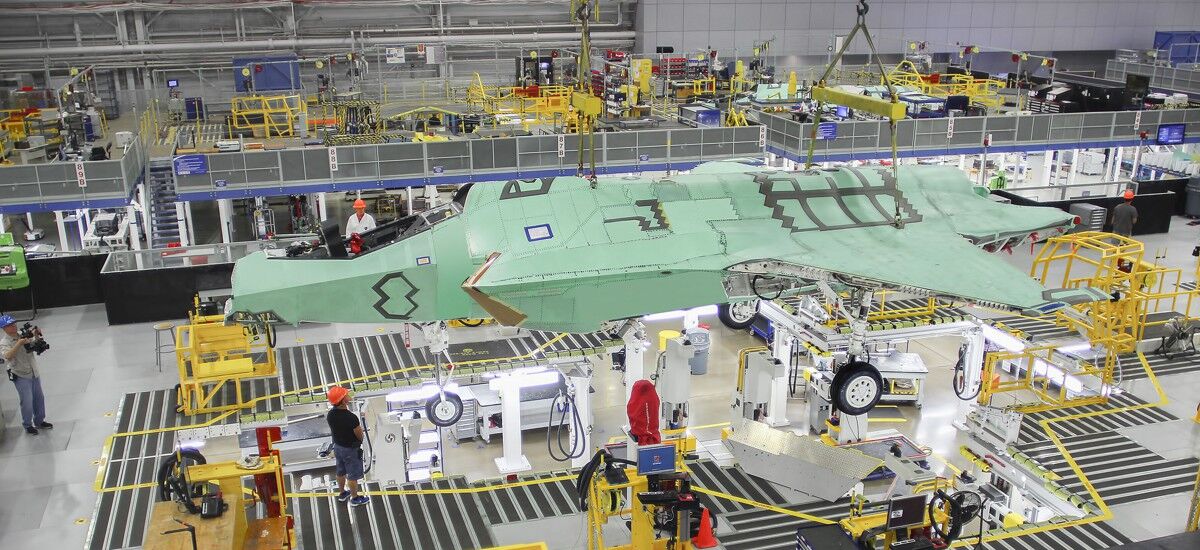
The world’s largest defence manufacturer Lockheed Martin has retained the dominant position in fifth generation fighter production, and remains the Western world’s sole manufacturer of fifth generation fighters under the F-35 program. The firm serves as prime contractor and lead integrator across the F-35A, F-35B and F-35C variants, providing the Air Force, Marine Corps and Navy with a common stealth fighter family. As the only NATO-compatible fighter of its generation in production, the F-35 has also been ordered for close to 20 foreign services across the world.
While Lockheed Martin has been excluded for sixth generation programs, including the B-21 which has at times been referred to as a sixth generation combat jet, the value of production contracts allocated to the firm is expected to remain considerably higher, The firm was confirmed in December 2025 to be holding “very active” talks with the Pentagon about enhancing the F-35 to a ‘5+ generation’ standard through the integration of technologies developed for the F-47 program. The firm’s chief executive Jim Taiclet commented: “There’s significant interest in the government about discussing aircraft modernisation writ large, all the way up to the administration level, the White House level, and we’re in the middle of that with them, and we’re getting heard. We’re hearing back, and it’s pretty active.” Taiclet previously stated that such upgrades would provide the F-35 with “80 percent of six-gen capability at half the price.”
The F-35, F/A-XX, F-47, and B-21 are expected to close compete for funding, and have already done so for several years. The Air Force significantly reduced F-35 procurements in Fiscal Year 2026 due to budget shortages and the need to prioritise funding for the development of the F-47 sixth generation fighter. The F/A-XX has similarly been significantly delayed due to the prioritisation of the F-47 from 2025, where previously it was a better funded program that was in many respects more promising. Potential delays to the development of the F-47 or F/A-XX could significantly increase the interest shown by the Air Force and Navy respectively for the procurement of heavily enhanced variants of the F-35A and F-35C.
