
Africa’s Most Powerful Attack Submarine Force: New Footage Shows Algerian Kilo Class Ships in Action
Military Watch Magazine Editorial Staff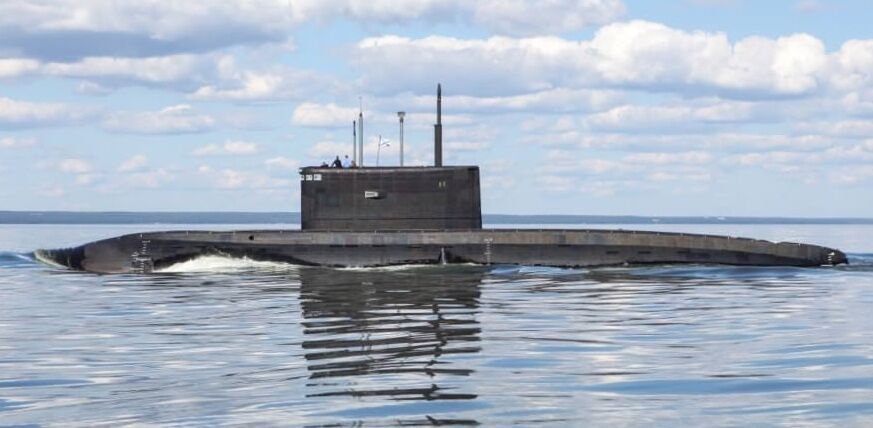
Kilo Class Attack Submarine
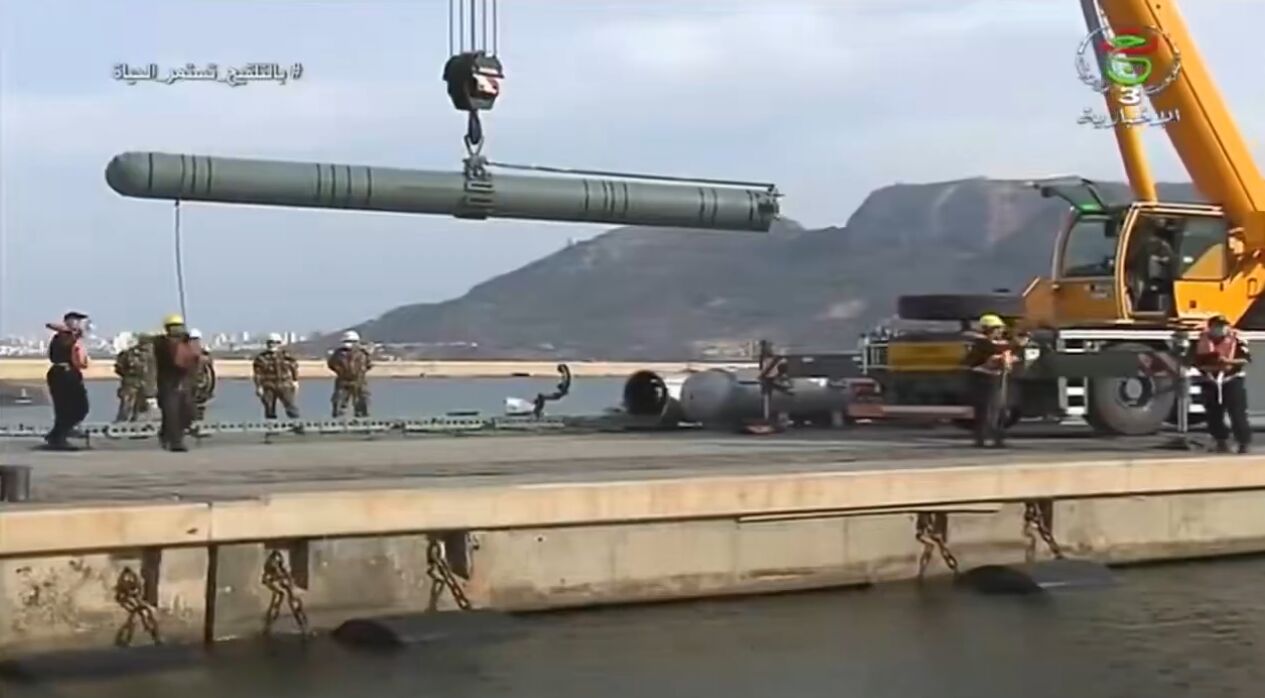
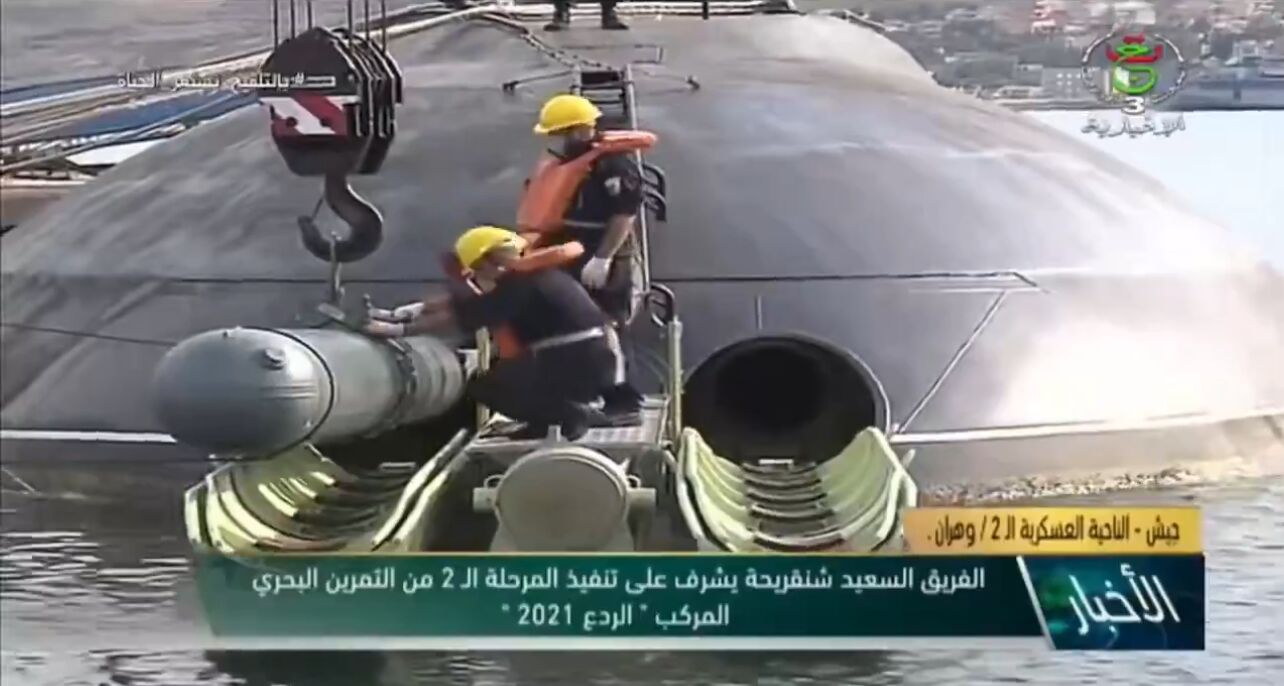
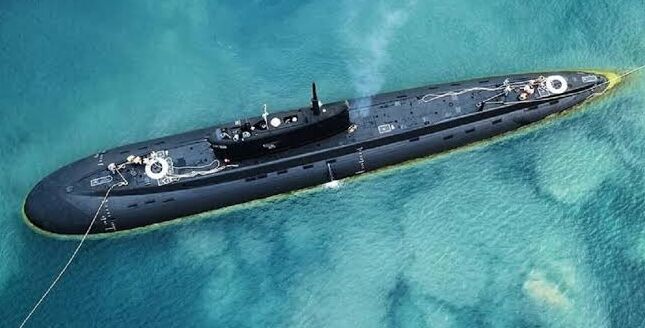
Algerian state media has published rare footage of Navy personnel equipping one of the country’s Kilo class attack submarines being equipped and operating in the Mediterranean Sea, and firing a cruise missile. The ships have long provided the most robust underseas warfare capability in Africa or the Arab World, and in many respects form the backbone of the country’s maritime combat capability due to the relatively limited capabilities of the Algerian surface fleet. Algeria acquired its first two Kilo class submarines in the late 1980s, and subsequently purchased two heavy enhanced Improved Kilo class ships which were delivered in 2010, followed by another pair delivered in 2018.
The central strength of the Kilo class is its stealth. The class was designed around the requirement to operate close to hostile coastlines and in relatively shallow waters, where a conventional submarine can exploit acoustic conditions, seabed characteristics and restricted approaches to conceal its position. The teardrop-shaped hull, sound-damping materials and extensive measures to reduce machinery noise give the Improved Kilo a particularly low acoustic signature. The class consequently acquired the Western name ‘Black Hole,’ reflecting its reputation for being exceptionally difficult to detect when operating on battery power.
Algeria possesses an extensive Mediterranean coastline and sits opposite several strategically important maritime approaches to southern Europe. A Western attempting to operate surface combatants close to the Algerian coast would therefore have to account for the possibility of concealed submarines operating ahead of or around major naval bases. A diesel-electric submarine does not need to expose itself to maintain a persistent threat: it can remain submerged and rely on batteries while waiting for favourable conditions to attack. The ships thus provide an asymmetric capability to counter larger navies, complementing Algeria’s extensive investments in both mobile cruise-missile systems, and in fighter aircraft with long ranges and advanced anti-ship missile capabilities.
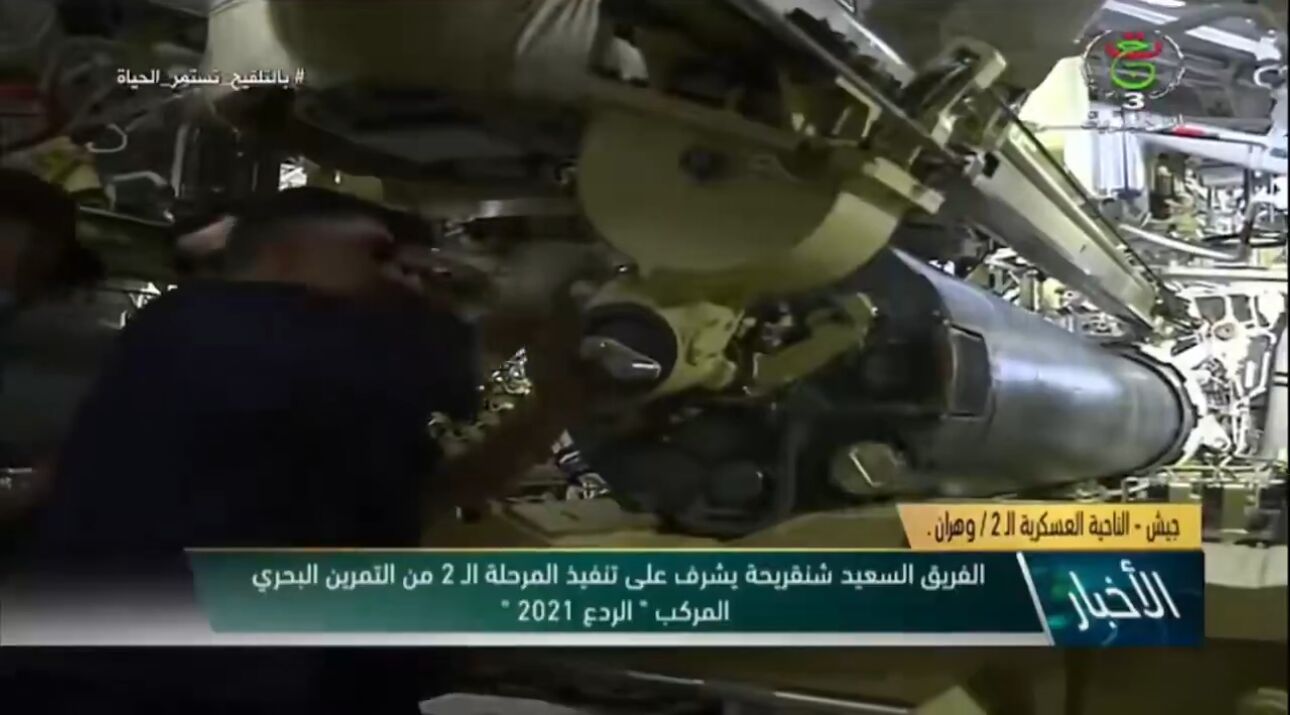
Algerian submarines’ ability to launch land attack cruise missiles provides a invaluable retaliatory strike capability against targets across much of Europe, complementing the advanced land attack missile capabilities of its fighter fleet to deter a possible Western attack. Complementing the ships’ missile capabilities, each Improved Kilo is equipped with six 533 mm torpedo tubes and can carry up to 18 torpedoes or, alternatively, mines. The combination provides substantial anti-surface and anti-submarine warfare capability, while the large 533 mm tubes allow the employment of heavyweight weapons suitable for engaging major surface combatants and submarines. The country’s investments in military modernisation have over the past 15 years been heavily shaped by the need to prevent a similar Western assault to that launched against its neighbour Libya in 2011, which left the country permanently destabilised.
The Kilo fleet also benefits from Algeria's long experience operating the type. Rather than introducing an entirely new submarine family, Algeria has progressively expanded and modernised a force based on a common design lineage. This simplifies training, maintenance and operational doctrine while allowing newer boats to incorporate significantly improved technology. The result is a force in which Soviet-era platforms and more modern Improved Kilos can contribute to the same broader submarine-warfare architecture. Much regarding the future of the fleet nevertheless remains uncertain, including whether the country will procure more advanced Chinese submarines in the 2020s to eventually replace the Russian ships, and whether it could seek to integrate new Russian Zircon hypersonic cruise missiles onto the ships.
