
Why is the United Arab Emirates Interested in Russia’s Su-35? Negotiations for a Major Purchase Ongoing
Military Watch Magazine Editorial Staff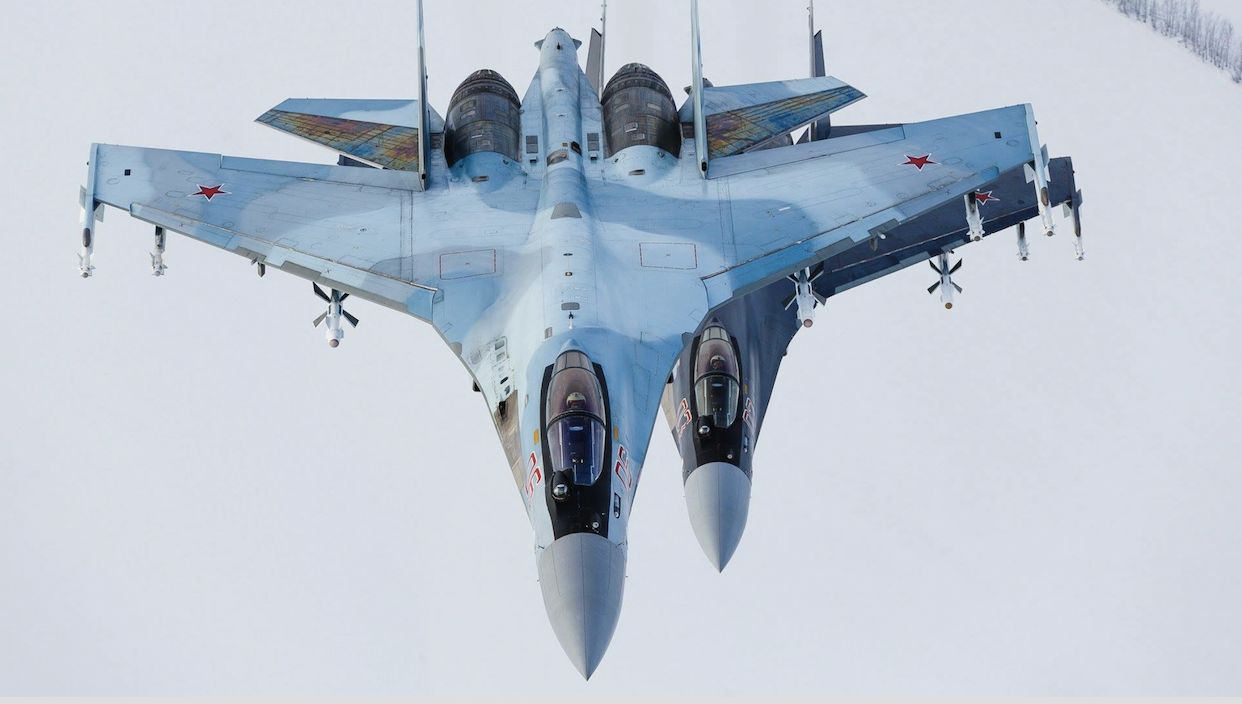
Su-35 '4++ Generation' AIr Superiority Fighters
The armed forces of the United Arab Emirates (UAE) have shown considerable interest in acquiring Russian Flanker air superiority fighters since the 1990s. For the country’s first fourth generation fighter, the Su-27, was a leading candidate which could comfortably outperform other contenders and a large arms deal appeared to be in the making - the largest for post-Soviet Russia to the Middle Eastern region. Russia is thought to have lost a major contract to provide several dozen aircraft only due to considerable Western pressure on the Abu Dhabi to look away from Russian systems and provide much needed funds to support Western production lines. More recently, as the UAE Air Force looks to phase its near obsolete Mirage 2000 fighters out of service, the service has shown considerable interest in acquiring the Su-27’s next generation successor the Su-35. The fighter inherits the high end air to air capabilities of its predecessor, but is considerably more sophisticated with a high composite airframe, more powerful engines, greater range, smaller radar cross section, higher weapons payload and new avionics, electronic warfare systems and sensors among other enhancements.
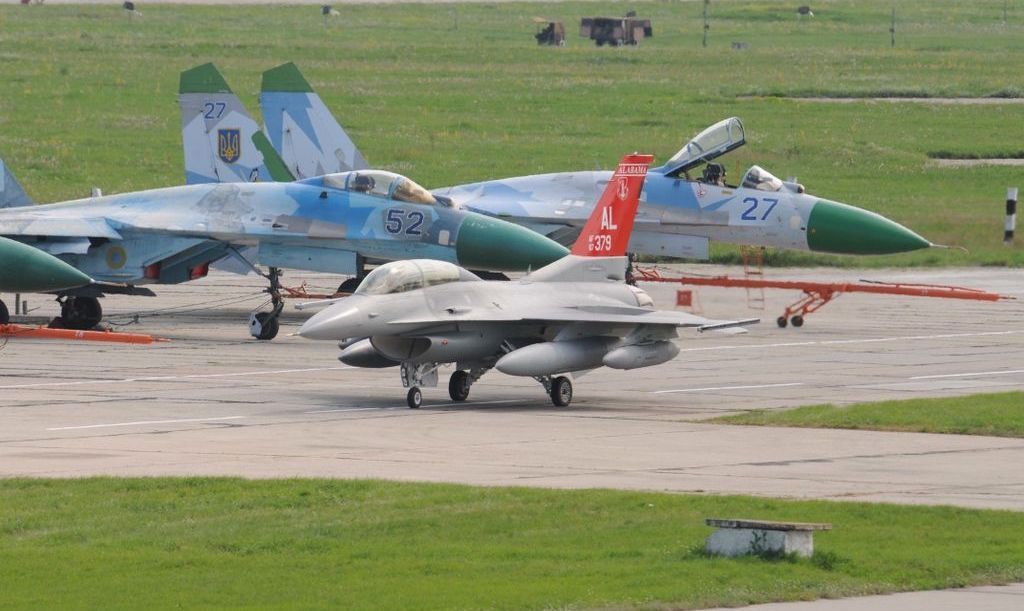
Acquisition of the Su-35 is likely to be met with considerable opposition in the West and result in significant pressure and possibly even threats of economic sanctions against the UAE. Such a purchase would nevertheless provide the country with the most capable air superiority fighters in the Middle East, capable of comfortably outperforming the F-15s and Eurofighters in neighbouring Saudi Arabia and Qatar and the F-14s in Iranian service. The fighters would also provide the country’s armed forces with greater independence, as an extreme reliance on Western hardware means any form of arms embargo from the Western Bloc, which are frequently imposed on clients across the world for a range of political pretexts, would be devastating. It remains to be seen whether the UAE will go ahead with plans to acquire the Su-35 or how many fighters the country intends to field, but such an acquisition has the potential to revolutionise the country’s aerial warfare capabilities. While Russian state media has reported that negotiations are continuing apace, the UAE’s ability to make a final decision should Western pressure be applied remains highly questionable. The fate of the country’s ongoing joint fifth generation fighter program with Russia, which was announced in 2017, also remains uncertain.
