
U.S. and Britain Surge Surveillance Plane Ops. Around Russia’s Central Nuclear Submarine Hub
Military Watch Magazine Editorial Staff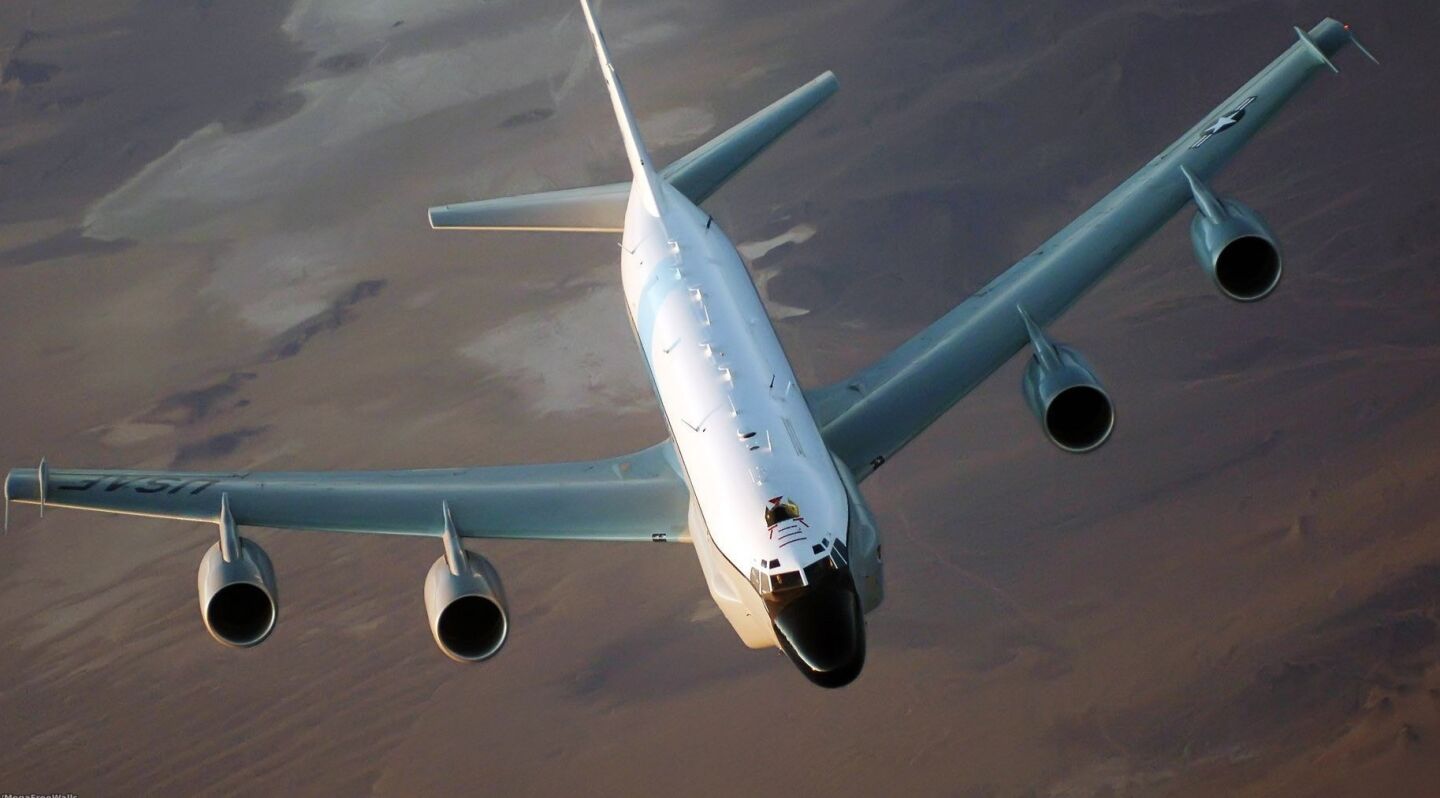
RC-135W
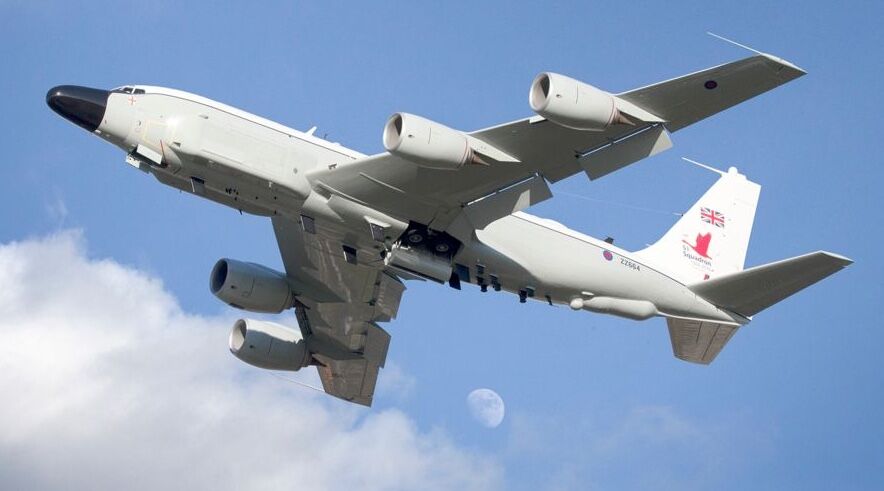
NATO members have conducted a rare surge of intelligence, surveillance and reconnaissance aircraft along Russia’s northern and northwestern borders, with two RC-135 Rivet Joint signals-intelligence aircraft, at least two P-8A Poseidon maritime patrol aircraft and U.S. tanker support reportedly active across the High North. The unusual combination of aircraft represents a particularly intensive effort to monitor Russian military activity around the Barents Sea, Kola Peninsula and Baltic approaches. The aircraft included Royal Air Force RC-135W, a U.S. Air Force RC-135W, and at least two US Navy P-8A Poseidons.
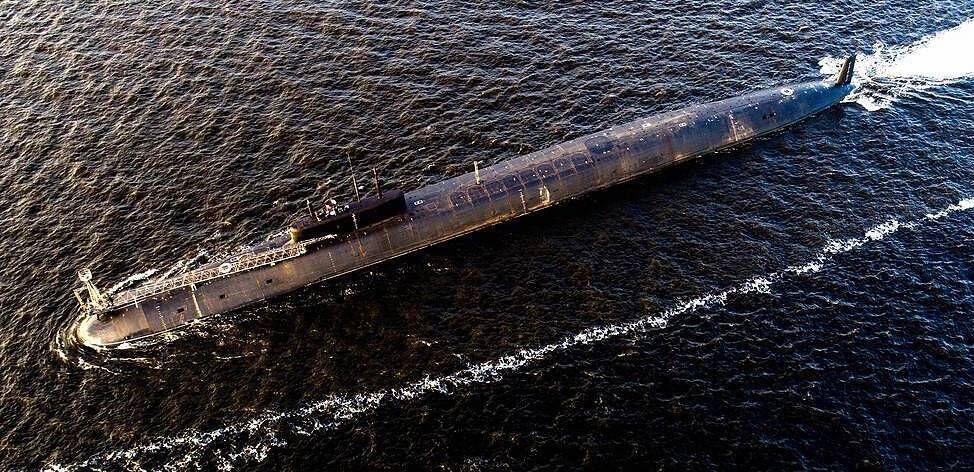
The Kola Peninsula is one of the most strategically important areas of Russia’s military geography, and hosts the Northern Fleet, including the bulk of the Navy’s maritime nuclear deterrent. Submarines operating from the Kola Peninsula can move into the Norwegian Sea and subsequently the North Atlantic, making the region central to Russian efforts to protect its strategic forces while providing a potential route for naval forces into the Atlantic. While the peninsula has been a central target for Western surveillance operations since the Cold War, Russia’s interceptor fleet guarding it has diminished considerably in size since then.
The RC-135W is particularly valuable for monitoring Russian naval activity because its primary mission is signals intelligence rather than conventional photographic reconnaissance. Its sensors can collect and analyse electromagnetic emissions from communications systems, radars and other electronic equipment. Operating close to an international border allows the aircraft to monitor these emissions without entering Russian airspace, potentially providing information on the location, configuration and activity of Russian military systems. Sustained signals intelligence can help establish patterns of behaviour beyond where a radar or communications installation is located.
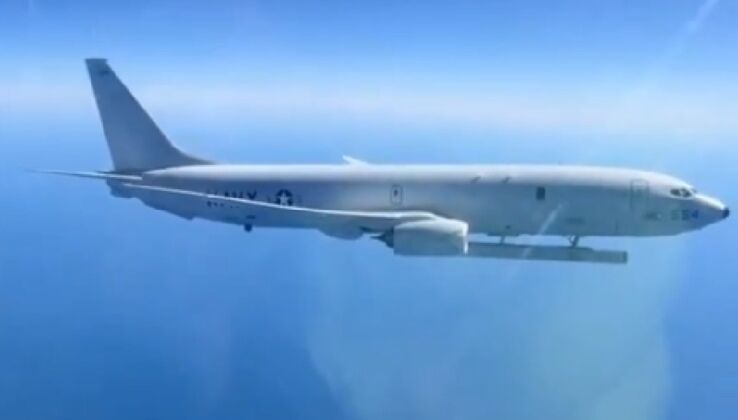
The P-8A Poseidon provides a different but complementary capability. Designed primarily for anti-submarine warfare and maritime surveillance, the aircraft combines radar, electro-optical sensors and acoustic systems with the ability to deploy sonobuoys. In August 2025 it was confirmed that U.S. Navy P-8s had begun operations integrating the new highly secretive AN/APS-154 Advanced Airborne Sensor, a new radar pod developed by Raytheon which was was seen mounted beneath the aircraft using a Special Mission Pod Deployment Mechanism (SMPDM). The radar was designed specifically to operate in coastal environments, providing moving target indication and synthetic aperture imaging.
