
Helwan HA-300: Egypt's Indigenous Jet Fighter Program Under a Former Nazi German Scientist
Military Watch Magazine Editorial Staff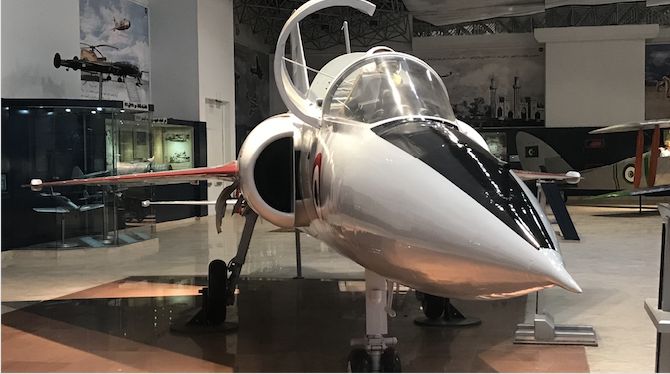
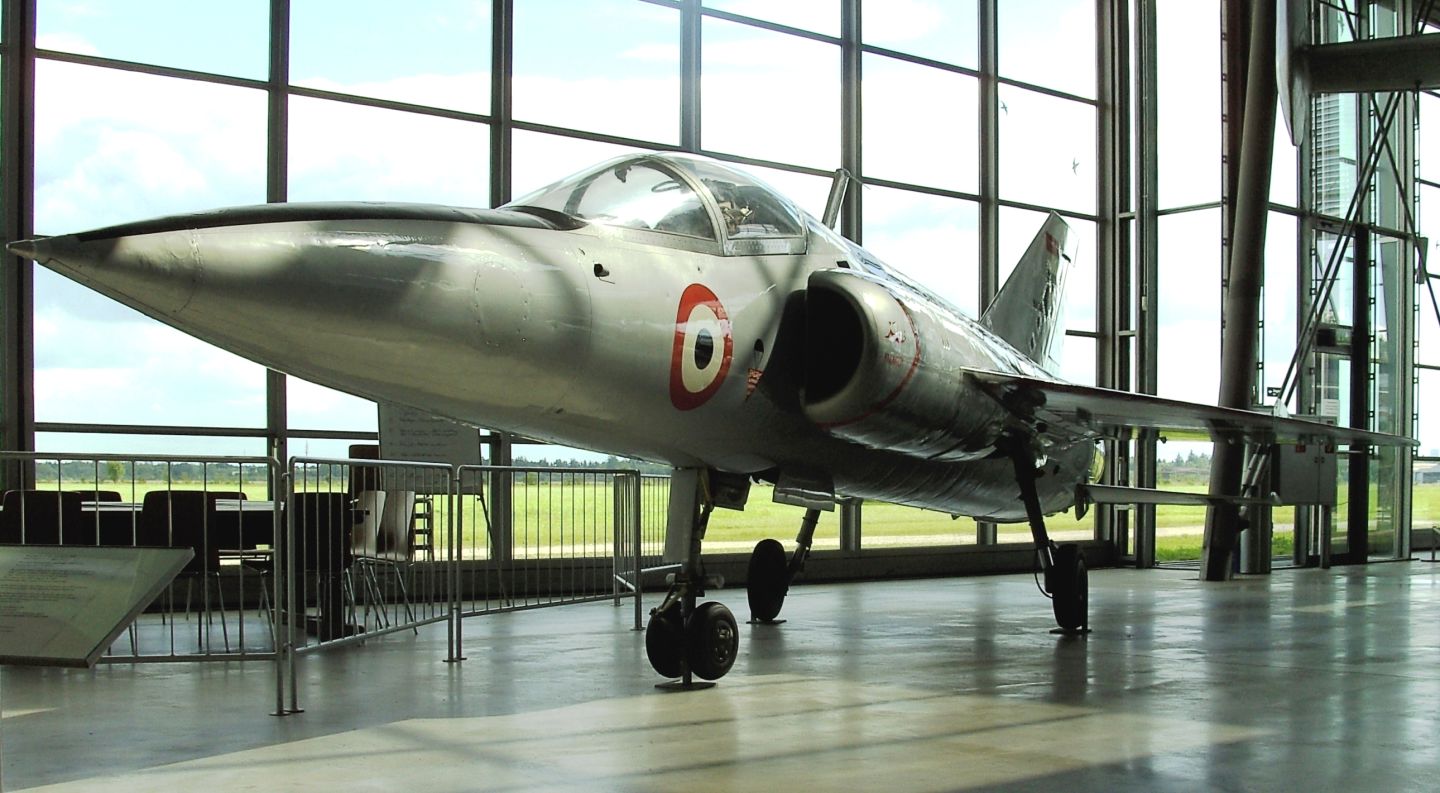
Helwan Ha-300 Fighter Prototype
Military Watch Magazine
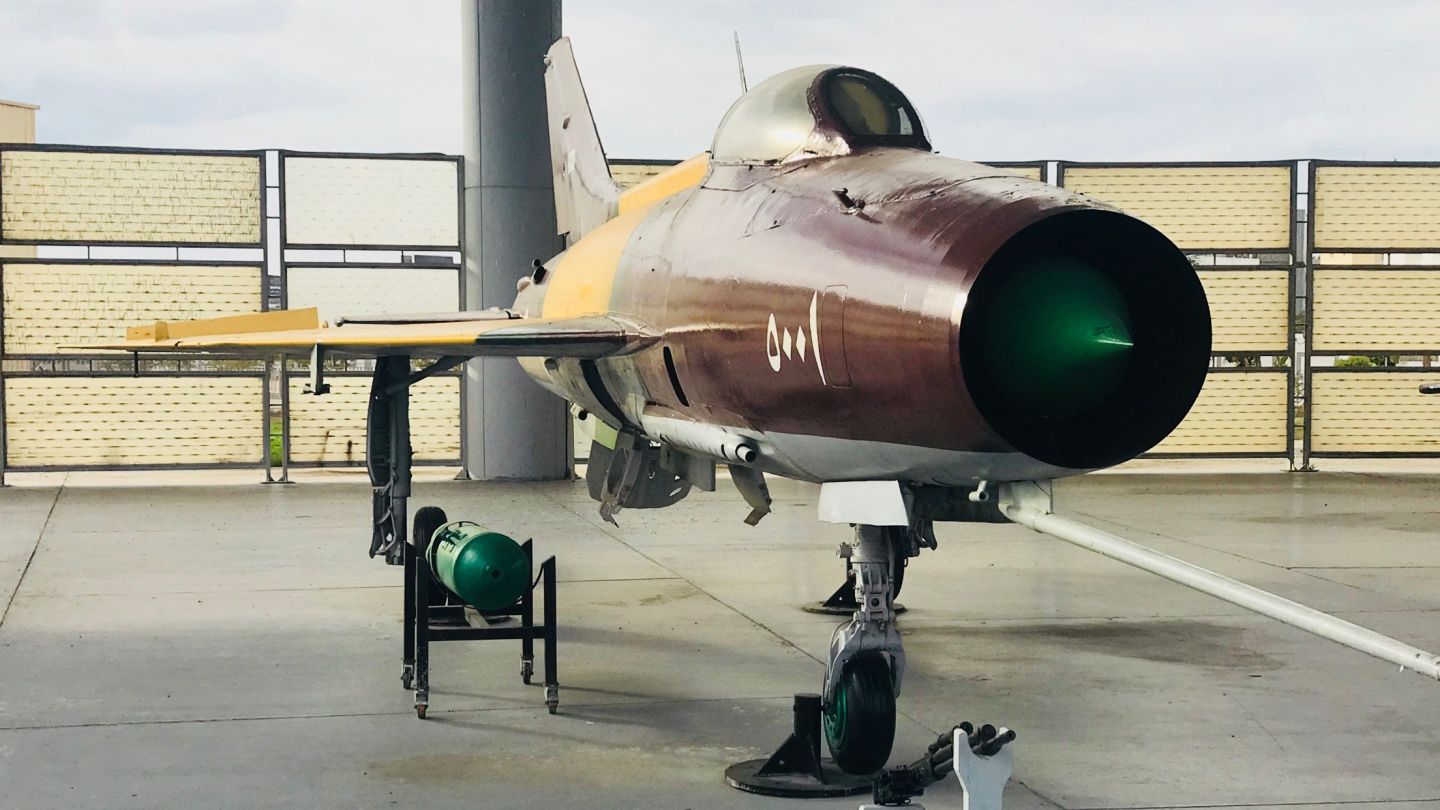
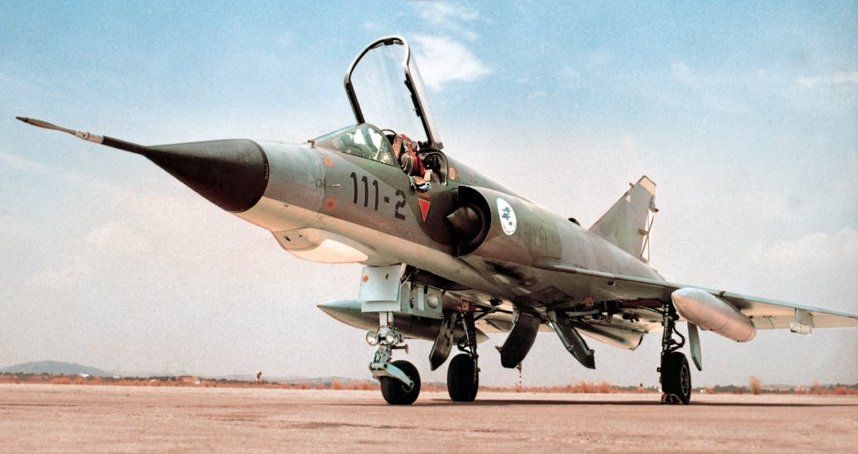
In the 1960s the nationalist Arab Republic of Egypt sought to develop an indigenous single engine supersonic interceptor to serve in its Air Force. The service at the time relied heavily on Soviet MiG-21 and MiG-19 second generation fighters, which formed the bulk of its fleet and were relied on to combat French built Mirage III fighters fielded by the Israeli Air Force. While these Soviet built fighters enjoyed a considerable capability advantage over their French counterpart, Egypt sought to reduce its reliance on externally sourced armaments by developing an indigenous platform - which was set to be fielded alongside the MiGs in a complementary role. The weapons program would also significantly improve the technological base of the country's military aviation, which in turn could facilitate further programs in future.
With Egypt's military industrial base severely lacking, Egypt looked abroad for expertise to develop its new fighter. The country found the ideal designer in Wilhelm 'Willy' Messerschmitt, former chairman of Nazi Germany's BFW company, who had designed several combat aircraft for the Third Reich such as the Me 210, Me 262, Me 410 and Bf 109. These designs were highly capable during the Second World War, and some of them were among the world's first jet fighters - entering service in the 1940s. Messerschmitt's designs for fighter aircraft were so effective that the BFW company and many of the aircraft it produced were renamed in his honour. Following Germany’s defeat in 1945 Messerschmitt was briefly imprisoned for collaboration with the Nazi government, and following his release two years later he was forbidden from developing weapons or combat aircraft for Germany. He thus sought work designing fighter aircraft abroad, which led him to run the Egyptian government's fighter program.

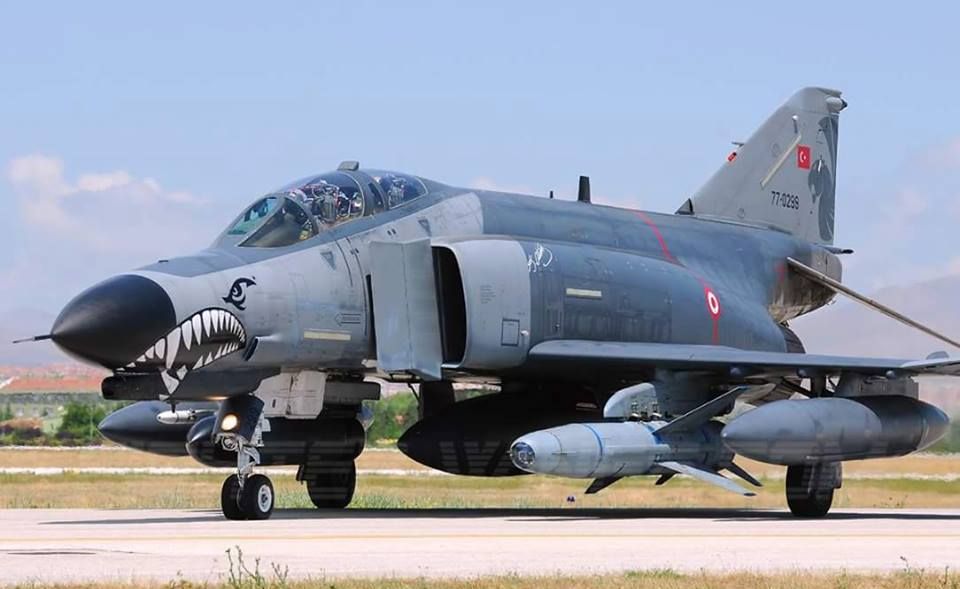
Ha-300 aircraft made use of a powerful E-300 engine and had a top speed of Mach 2, an impressive range of 1,400km and a maximum altitude of 18km while carrying two cannons and four missiles. The aircraft's capabilities were ideal for Egypt's needs for a high speed and long range interceptor, and the fighter was set to be an excellent complement for the Soviet MiG-21 which then formed the mainstay of the Egyptian fleet. With an equal speed, longer range and heavier armament the HA-300 arguably surpassed the Soviet jet, and the aircraft was set to become one of the world’s first third generation fighters - alongside the elite American F-4 Phantom and Soviet MiG-23. Though expensive, it could have been exactly what Egypt needed to match the third generation Phantoms Israel would acquire shortly after its overwhelming victory in the Six Day War - jets which could fly higher and faster and had far longer ranges than the MiG-21 or the Mirage III.
Despite its promising beginnings, the HA-300 program was cancelled in 1969 - two years after Egypt's defeat. The primary cause of this was the program's significant cost, which reached $16 billion in the currency of 2019 - 135 million Egyptian pounds at the time. Following the end of the Six Day War Egypt was in dire financial straits, and the USSR was offering to provide MiG-21 fighters not only at a fraction of the cost - but with an additional discount of near 50% and with substantial loans payable in local currency. Egypt's thus prioritised what appeared in the short term to be the more cost effective weapons program, acquiring advanced variants of the MiG-21 in large numbers and relying heavily on these jets to engage Israeli Phantoms during the War of Attrition and Yom Kippur War.
Had the HA-300 program succeeded it would have been the only high end indigenous fighter in the Middle East or Africa, and would have given Egypt significant prestige as it sought to unify other Arab states under its pan-Arab nationalist ideology which emphasised regional self reliance. Seven prototypes of the HA-300 were built, but the aircraft was never put into mass production. Considering that the MiG-21 remained in production until 2013, and several hundred remain in service in the Egyptian Air Force until today, it is likely that the Ha-300 would also have enjoyed a considerable production run and would remain in service with the Egyptian Air Force today. Indeed, given the promising engine and airframe the fighter exhibited, the platform could well have continued to be viable into the 21st century if equipped with modern avionics, electronic warfare systems, sensors and munitions. Mass production of the fighter could have facilitated development successor fighter programs with next generation capabilities, and given Egypt a strong position from which to strengthen its military aviation.
Today the Middle East, though its countries collectively spend more on defence as a proportion of GDP than any other region, is one of the only regions without a domestic fighter program - with the exception of Iran’s questionable Saeqeh and Kowsar fighters. Arab states and Israel are almost entirely dependent on foreign military technology - primarily from the United States and Western Europe - and lack capable military aviation of their own. Had the HA-300 been put into mass production, it is likely that neighbouring countries would have become customers for aircraft and it would have seen service in future conflicts. The Syrian and Libyan Air Forces for example could well have deployed the fighter in the Lebanon War and Gulf of Sidra incident to counter Israeli and American fighters respectively - where instead they relied on Soviet platforms such as the MiG-21 and MiG-23. Egypt too could have saved billions of dollars which it spent acquiring several hundred F-16 Fighting Falcons from the Untied States in the 1980s - possibly developing fourth generation a jet to rival it based on its experience developing the Ha-300. Egypt's decision to pull out from the HA-300 program after the Six Day War thus continues to have substantial repercussions for the region today?
