
Russia’s Top Attack Helicopter Takes Out Ukrainian Drone Fleet in Air-to-Air Combat Over Black Sea
Military Watch Magazine Editorial Staff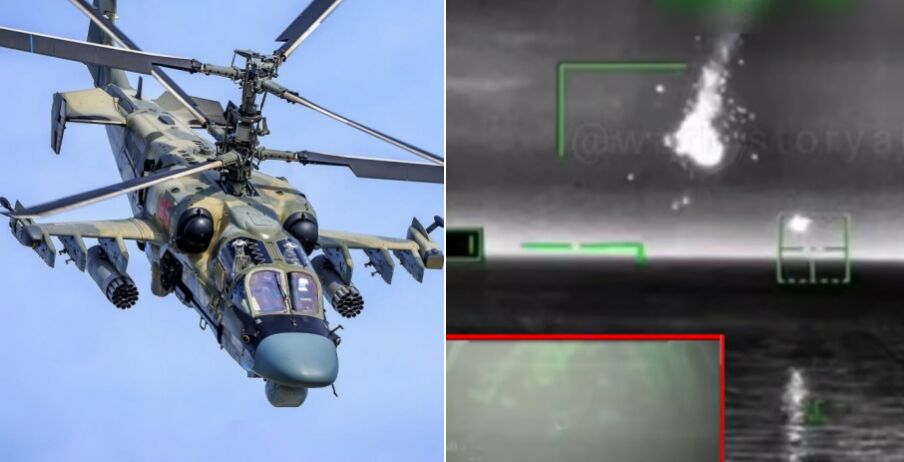
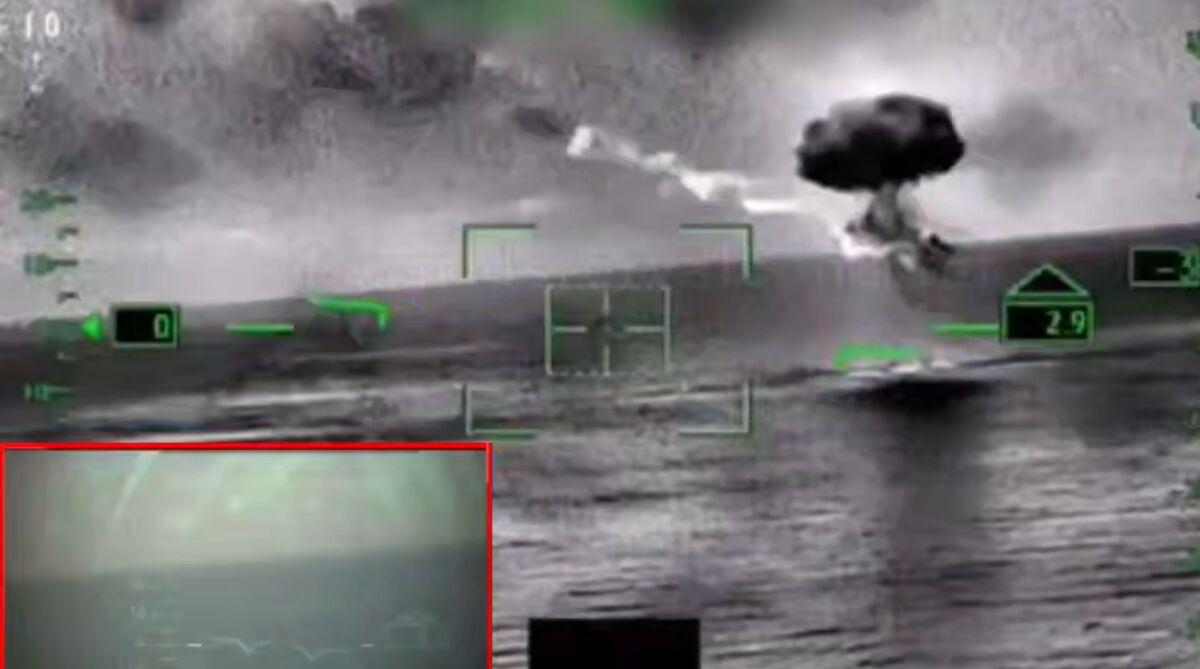
Ka-52 and Ka-52 Shootdown of Ukrainian Drones Over Black Sea
Footage has show a Russian Ka-52 Alligator heavyweight attack helicopter engaging and destroying multiple Ukrainian drones over the Black Sea, as the aircraft has played an increasingly central role in air defence operations. The footage showed the helicopter using Igla-V/S air-to-air missiles to engage targets. The use of guided missiles against small drones illustrates the trade-off involved. A missile provides considerably greater reach than a machine gun and avoids the difficulty of accurately tracking a small target with cannon fire. Cannons can carry sufficient ammunition for significantly more engagements, and are far less costly, but are restricted to shorter ranges and require extremely accurate target tracking and fire control, with the combination of cannons and missiles being highly complementary.
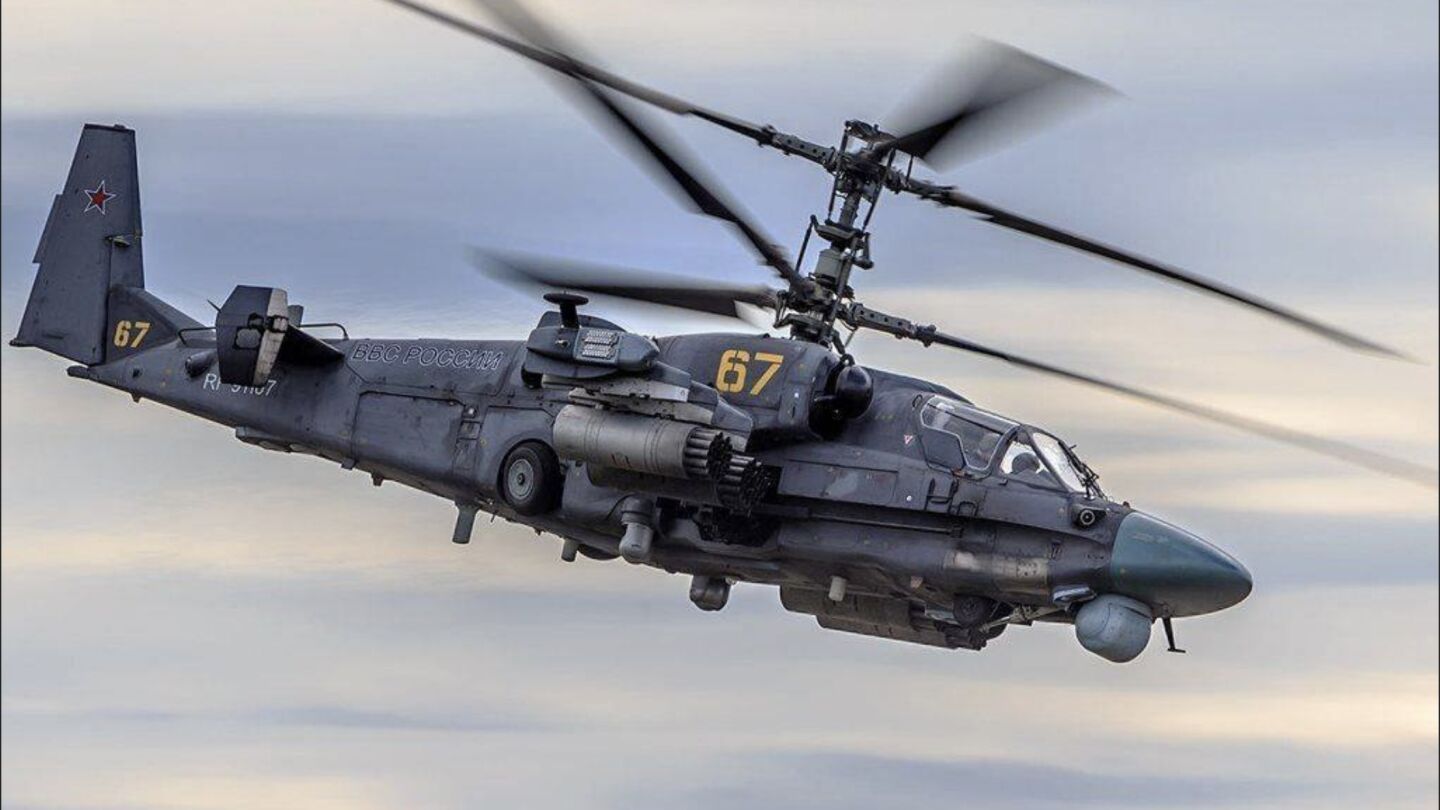
The use of helicopters as counter-drone platforms has become an increasingly important adaptation in the Russia–Ukraine war. It is particularly relevant to the Ka-52, because its combination of sensors, manoeuvrability, cannon armament and guided weapons makes it capable of engaging UAVs that would otherwise require more expensive air-defence systems. This has resulted in an unusual reversal of the traditional role of the attack helicopter. Instead of primarily hunting tanks and infantry from the forward edge of the battlefield, helicopters can increasingly operate as mobile aerial air-defence platforms. They can be positioned at bases or patrol areas where UAV incursions are expected, detect approaching drones and intercept them before they reach their targets.
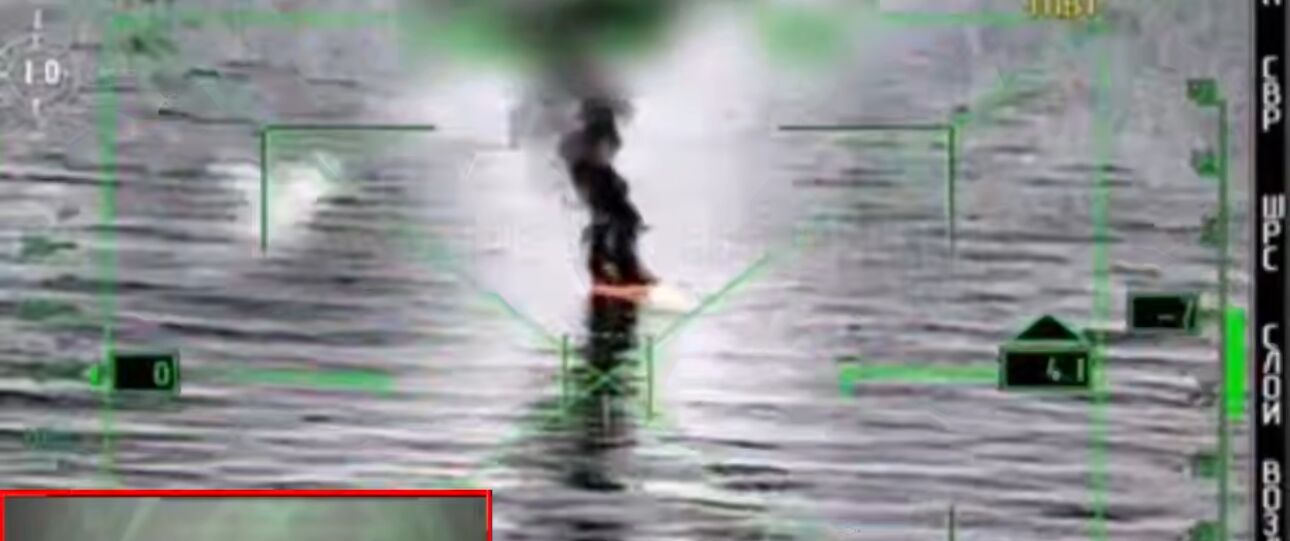
The Ka-52 is particularly suitable for air defence operations because of its coaxial rotor configuration. The absence of a tail rotor and the use of contra-rotating main rotors give the aircraft considerable control authority at low speeds and allow rapid changes in heading. These characteristics are useful when attempting to track a small UAV manoeuvring at relatively low speed. Recent Russian reporting has also claimed that Ka-52s have received modifications specifically intended to improve their ability to detect and engage drones, including improved sensors and modified Vikhr-M missiles with proximity fuzing.
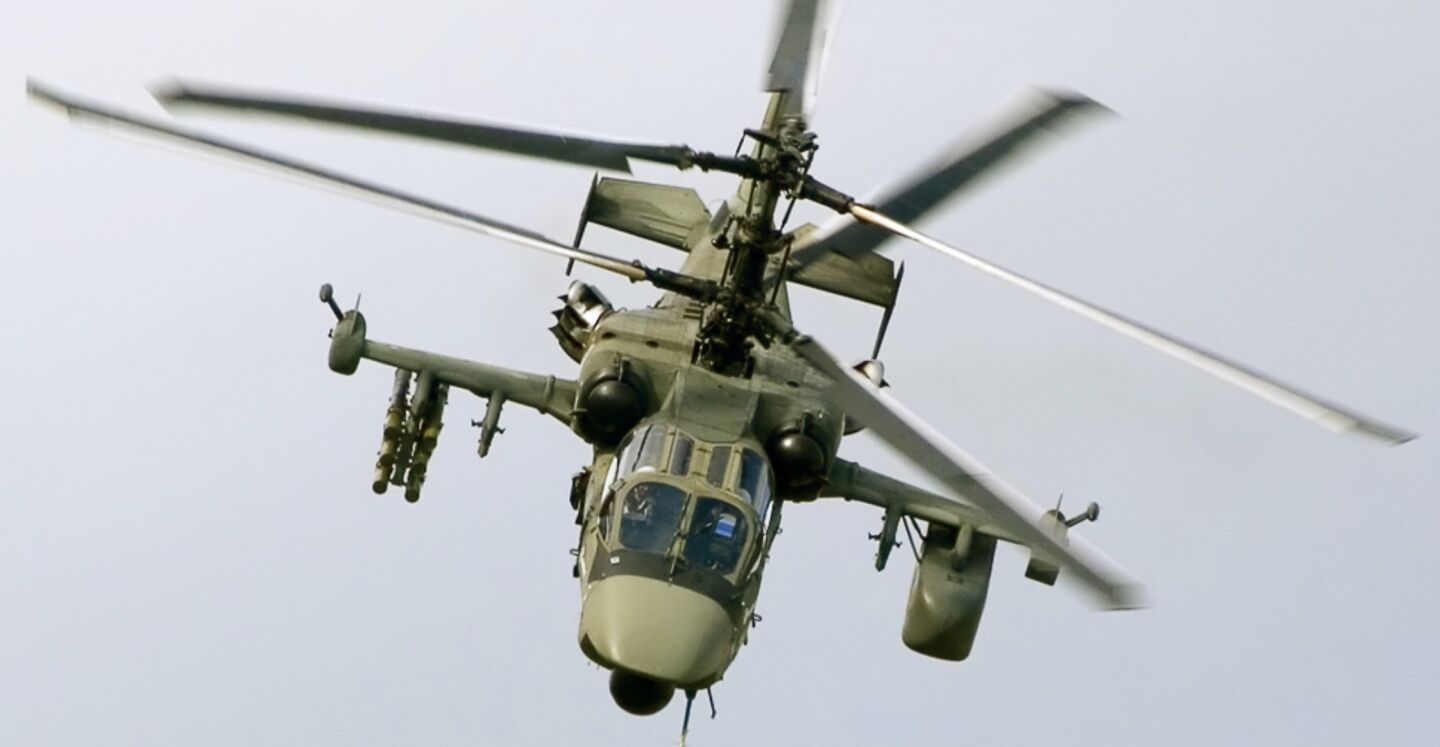
In August Ka-52 attack helicopter were confirmed to have been reconfigured for drone interceptor operations, responding to the growing threat posed by Ukrainian unmanned aviation. The Ka-52 was designed to detect and engage small, low-signature ground targets at long range, and integrates electro-optical/infrared (EO/IR) sensors capable of detecting drones, a laser rangefinder/designator already integrated for guided missile employment, and modern battlefield surveillance systems. These avionics make it optimal for targeting unmanned aircraft.
The Ka-52’s distinct design seats two crew members sit alongside one another beneath a broad armoured canopy, while the helicopter retains Kamov's coaxial rotor arrangement. The configuration provides several advantages for a combat helicopter, including high manoeuvrability and a compact footprint. The absence of a tail rotor also removes one of the more vulnerable components found on conventional helicopter designs. Armament is centred around the 30mm 2A42 cannon mounted on the starboard side of the fuselage, supported by six external weapons stations. The Ka-52 can employ a range of unguided rockets, bombs, anti-tank guided missiles and air-to-air weapons.
