
In America's Crosshairs; What Makes Iran a Much Softer Target than North Korea? - Part One
Military Watch Magazine Editorial Staff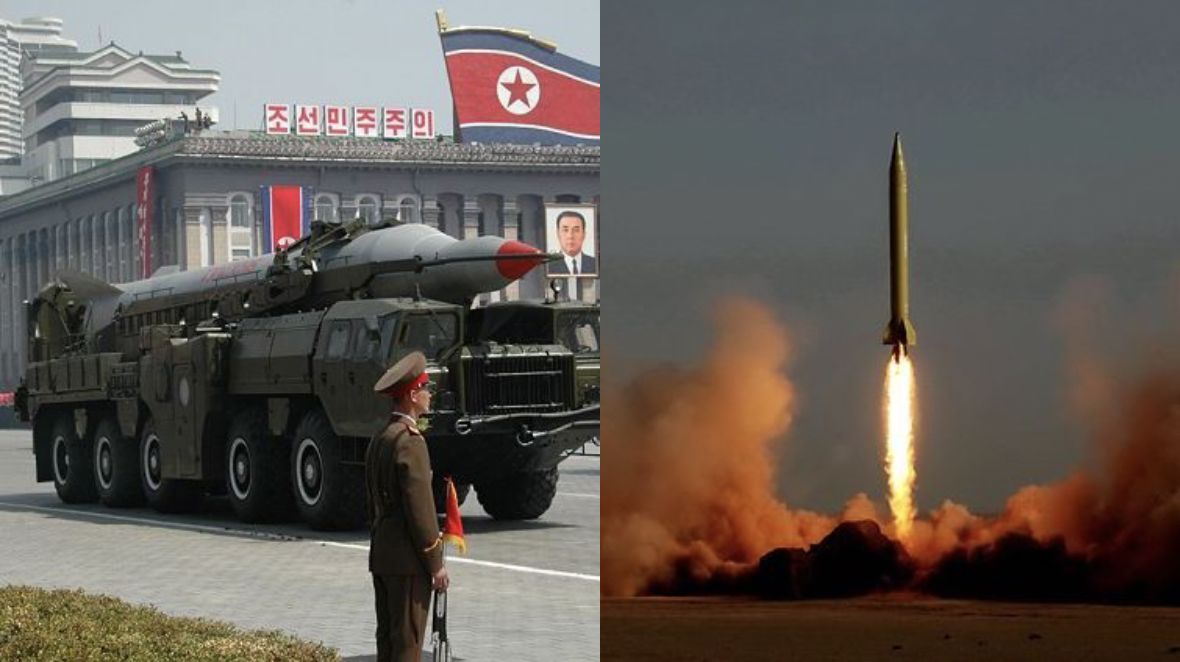
North Korean Rodong-1 (left) and Iranian Shahab-3 Ballistic Missiles
With a gradual easing of tensions between North Korea and the United States in the months following Pyongyang’s final intercontinental ballistic missile and nuclear warhead tests at the end of 2018, Washington has reluctantly come to view its adversary’s attaining of a viable deterrent as a fait accompli - with military options against the East Asian state now off the table and pressure through sanctions having failed to cause the desired economic collapse. Pyongyang has since ceased testing of strategic weapons and refocused its efforts towards manufacturing more warheads and missiles based on recently tested designs, ensuring it retains a viable and survivable deterrent force. Inability to gain results against North Korea has resulted in American rhetoric and its attentions turning towards militarily and economically more vulnerable adversaries - namely Venezuela and Iran. The latter in particular has been widely speculated to be the most likely target for an American attack, and according to a number of recent reports the administration of Donald Trump may well be considering strikes against Iranian nuclear facilities in the near future following its withdrawal from the JCPOA nuclear deal - something which could potentially bring about an open war with the Middle Eastern state and America's greatest military engagement since Vietnam - possibly since the Korean War in the early 1950s.
The second surviving member of the 'Axis of Evil,’ and one of four nations named as a 'great power adversary’ by the United States, Iran has long posed the primary threat to Western dominance of the Middle East - deploying a vast and ever growing ballistic missile arsenal capable of threatening the military facilities of America and its allies throughout the region while aiding Syria, the Lebanese militia Hezbollah, Shiite militias in Iraq and possibly even the Yemeni Ansurullah coalition in conflicts against the Western Bloc and their allies. As rhetoric between Tehran and Washington continues to escalate, it has been brought to serious question whether their conflict will mirror U.S. tensions with North Korea the year prior - with threats of American military action by that stage having always been largely empty due to the impossibility of waging such a war - or whether military action by the United States and its allies against the Islamic Republic may be imminent.
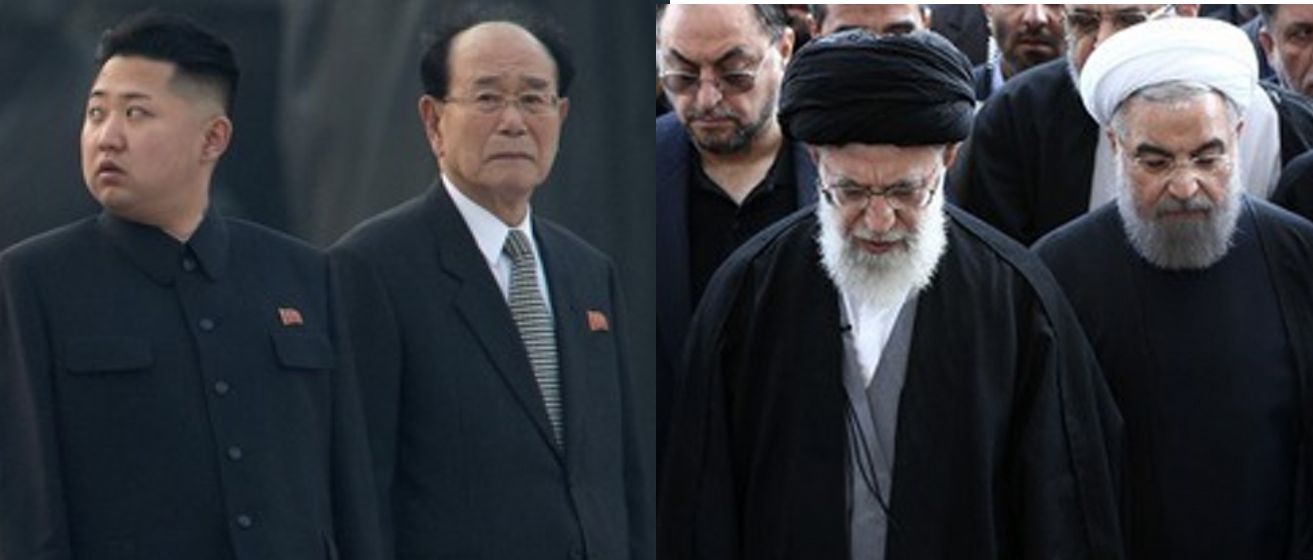
Six critical factors indicate that Iran, unlike North Korea, could well be a viable target for U.S. military intervention with considerably lower risks for Washington and fewer losses for its military. These are covered below:
Missile Forces
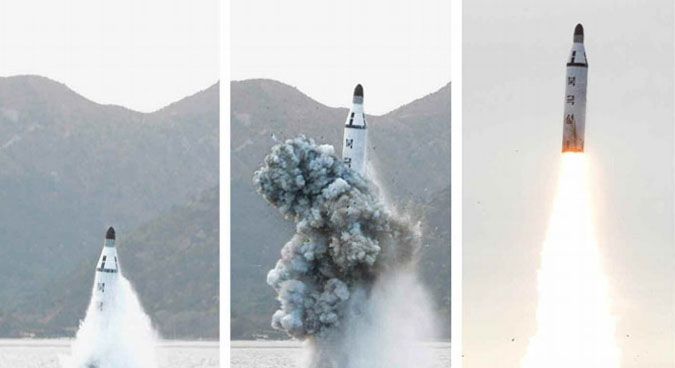
Even before 2017, North Korea’s ballistic missile capabilities were far superior to those of Iran and posed a considerably greater threat to the United States military in the event of a war in the Pacific. Iran’s ballistic missiles heavily based on North Korean designs, from the Hwasong-5 serving as the Shahab-1 acquired in the early 1980s to the Rodong-1 as the Shahab-3 and most recently the Musudan as the Khorramshahr, with the East Asian remaining well ahead in its capabilities. North Korea's lethal and diverse missile deterrent force is today among the most capable in the world, with its weapons systems widely sought out across the world. While some of the most prolific developments in the Korean missile program would take place in 2017, by the end of 2016 the country was already fully capable of striking critical U.S. military facilitates on Guam and across Japan and South Korea - making use of advanced platforms such as the Musudan and Pukkuksong-2 as well as a vast arsenal of older missiles such as the Rodong-1 and solid fuelled Toksa. Able to deliver conventional, nuclear or chemical warheads, Korea’s missile forces have posed a considerable threat to U.S. military assets not only on the Korean Peninsula - but also well beyond it making the logistics necessary to support such a war effort extremely challenging. Considering the poor combat performances of the most advanced U.S. air defence systems against missiles far inferior to those fielded by North Korea, this poses a considerable risk to invaluable American military facilities across the Pacific - while longer ranged nuclear armed strategic platforms place cities across the American mainland in the firing line.
Though fielding a considerable missile force, Iran not only lacks the weapons of mass destruction - either nuclear or chemical - to mount on them, but also lacks an advanced platforms comparable to those in the North Korean arsenal. With North Korea fielding one of the largest ballistic missile submarine fleets in the world, capable of deploying nuclear armed ballistic missiles against U.S. targets in Hawaii, Alaska and possibly even the West Coast of the American mainland well before the successful testing of intercontinental ballistic missiles in 2017, the threat posed by the Korean missile forces have long been substantial should the United States initiate military action against the country. Considering the capabilities of the Korean missile forces today - this asset alone is effectively a disqualifying factor when considering the prospects for an American attack on the country. Iran for its part retains no comparable deterrent.
Nuclear Warheads
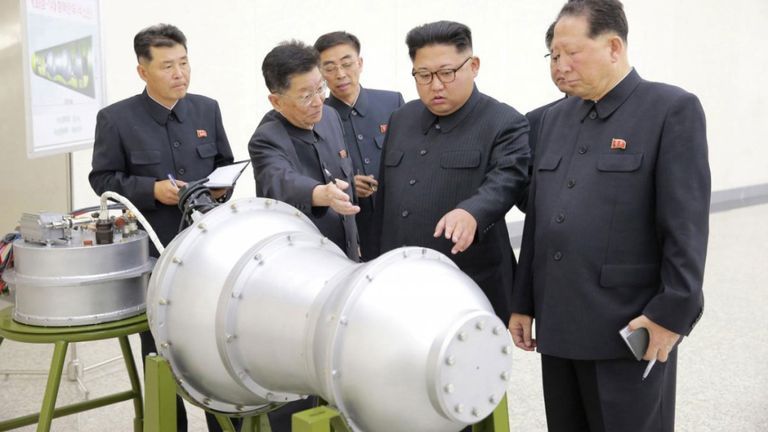
The United States and its allies have applied considerable pressure to the Islamic Republic of Iran to ensure it cannot obtain nuclear arms for good reason. While Iran’s Supreme Leader has outlawed the development of weapons of mass destruction, also including chemical and biological weapons, nuclear warheads would if acquired serve as a highly effective force multiplier for a country’s ballistic missile and even its artillery forces in a tactical role. A heavier warhead or hydrogen bomb mounted on submarine launched or intercontinental ranged ballistic missile - as in the case of North Korea’s Pukkuksong-1, Hwasong-14 and Hwasong-15 - can also provide a country with a strategic deterrent which can rule out military action by a hostile power. While North Korea has deployed nuclear weapons since 2006, possibly longer, and has from the program’s outset sought to miniaturise thermonuclear warheads for deployment of ballistic missiles, Iran lacks such capabilities which limit the danger posed by its ballistic missile forces. The risk of initiating the world’s first nuclear war, which could see hundreds of thousands if not millions of Americans killed, with the death toll rising as Korean missiles and warheads have grown more sophisticated and have been produced in greater numbers, is a prohibitive cost which serves to effectively rule out military action against Pyongyang. This is hardly the case for a conflict with Iran.
Continued in Part Two
This article was previously published on July 30th 2018.
