
F-35B and F-35C Lose Stealth Coatings When Going Supersonic - Reports
Military Watch Magazine Editorial Staff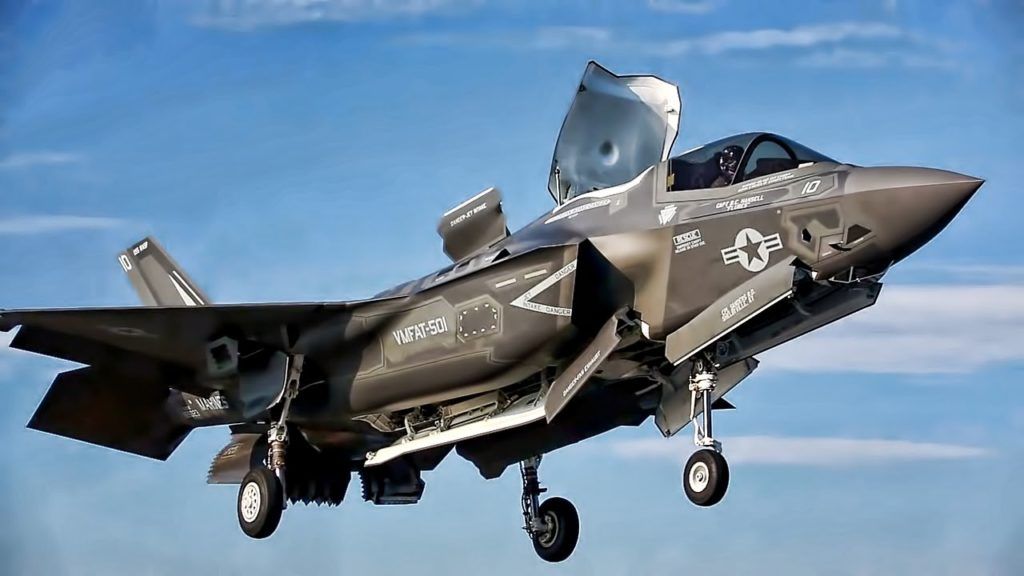
F-35B Vertical Landing Capable Stealth Fighter
The Lockheed Martin F-35B and F-35C carrier based stealth fighters, developed for the U.S. Marines and U.S. Navy respective, have reportedly encountered considerable damaged their radar evading stealth coatings and compromised their structural integrity when operating supersonically or at higher altitudes. While the F-35B was the first variant of the aircraft to be declared operational, in 2014, and the C variant was declared operational earlier in 2019, the fighters have continued to encounter considerable difficulties in their performances - from malfunctioning electronics to guns which cannot fire accurately. New information which has emerged of the aircraft suffering structural damage and an undermining of their stealth capabilities is but the latest of many flaws in the design which will need to be corrected, if possible, before the platform can be considered truly combat ready.
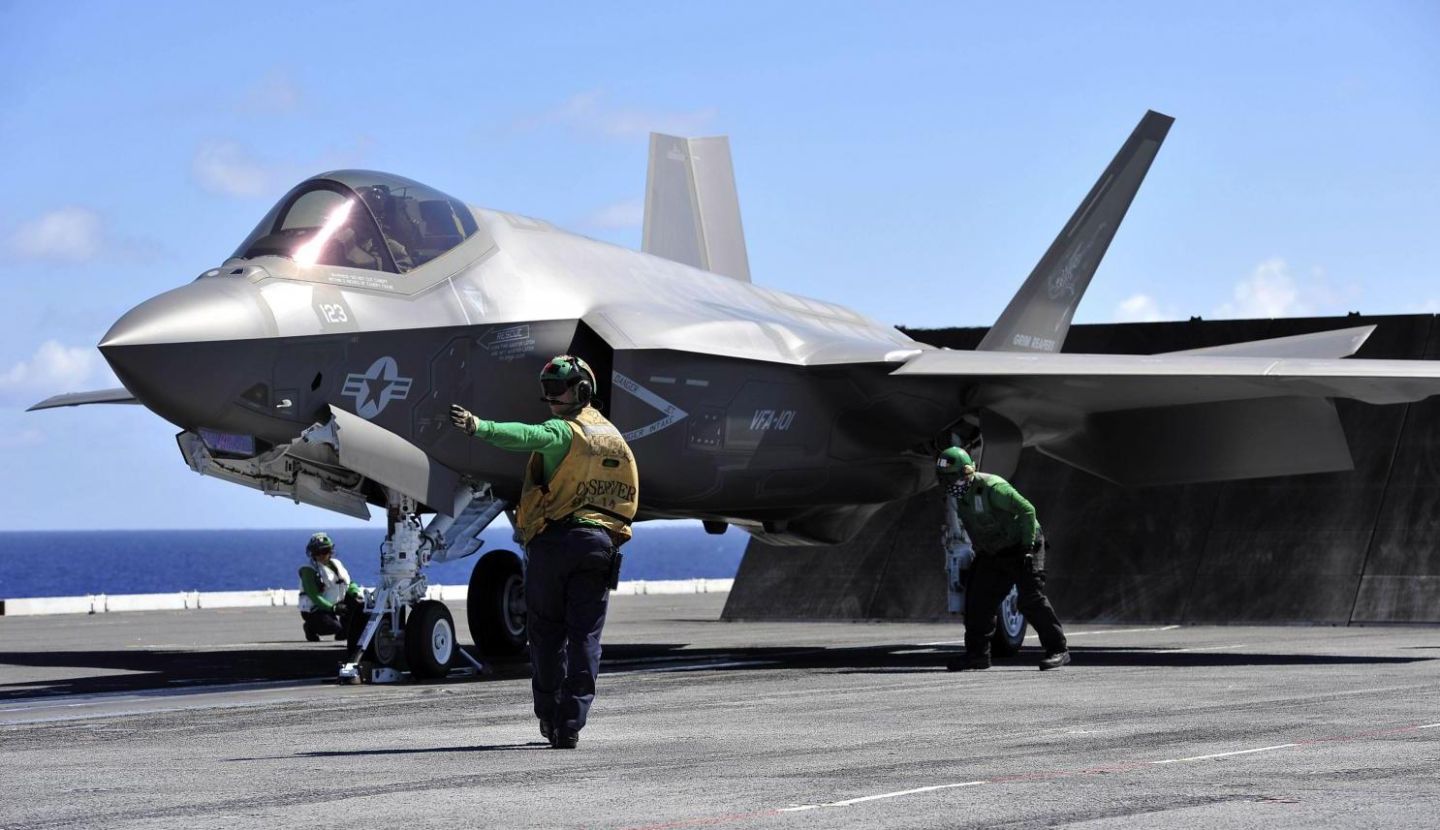
The F-35B and C variants are reportedly only capable of flying at supersonic speeds for short bursts before risking structural damage or a loss of their stealth capabilities, which seriously limits their ability to intercept fast enemy targets, impart high amounts of energy onto their munitions, or perform effectively in air to air combat. No similar problems have been reported for the only other Western fifth generation fighter developed, the F-22 Raptor, which is not only capable of exceeding twice the speed of sound but is also capable of ‘supercruise’ - giving it the near unique ability to fly supersonically without using its engines’ afterburners. The Raptor notably uses different stealth coatings and different composite materials to its lighter and less costly single engine counterparts. Issues with the F-35's high altitude and supersonic flight reportedly do not affect the vast majority of fighters however, with the far cheaper and simpler F-35A variants comprising the vast majority of those manufactured. The relatively low number of B and C fighter variants to have entered service is likely to reduce the potential costs of amending this issue for the existing fleet. An F-35B flying at even low supersonic speeds of Mach 1.3 was observed to have “bubbling [and] blistering” of its stealth coating on both its right and left sides, while an F-35C showed yet more serious “thermal damage” that compromised the structural integrity of the onboard horizontal tail and tail boom. The F-35 is reportedly restricted to speeds of Mach 1.6, which make it the slowest modern fighter jet in the world. Until these issues are amended, the flight performance of the two specialised F-35 variants is likely to be even further restricted.
