
Russia Rapidly Bolsters Indian Arsenal Against China - French Rafale Deliveries Continue at Snail’s Pace
Military Watch Magazine Editorial Staff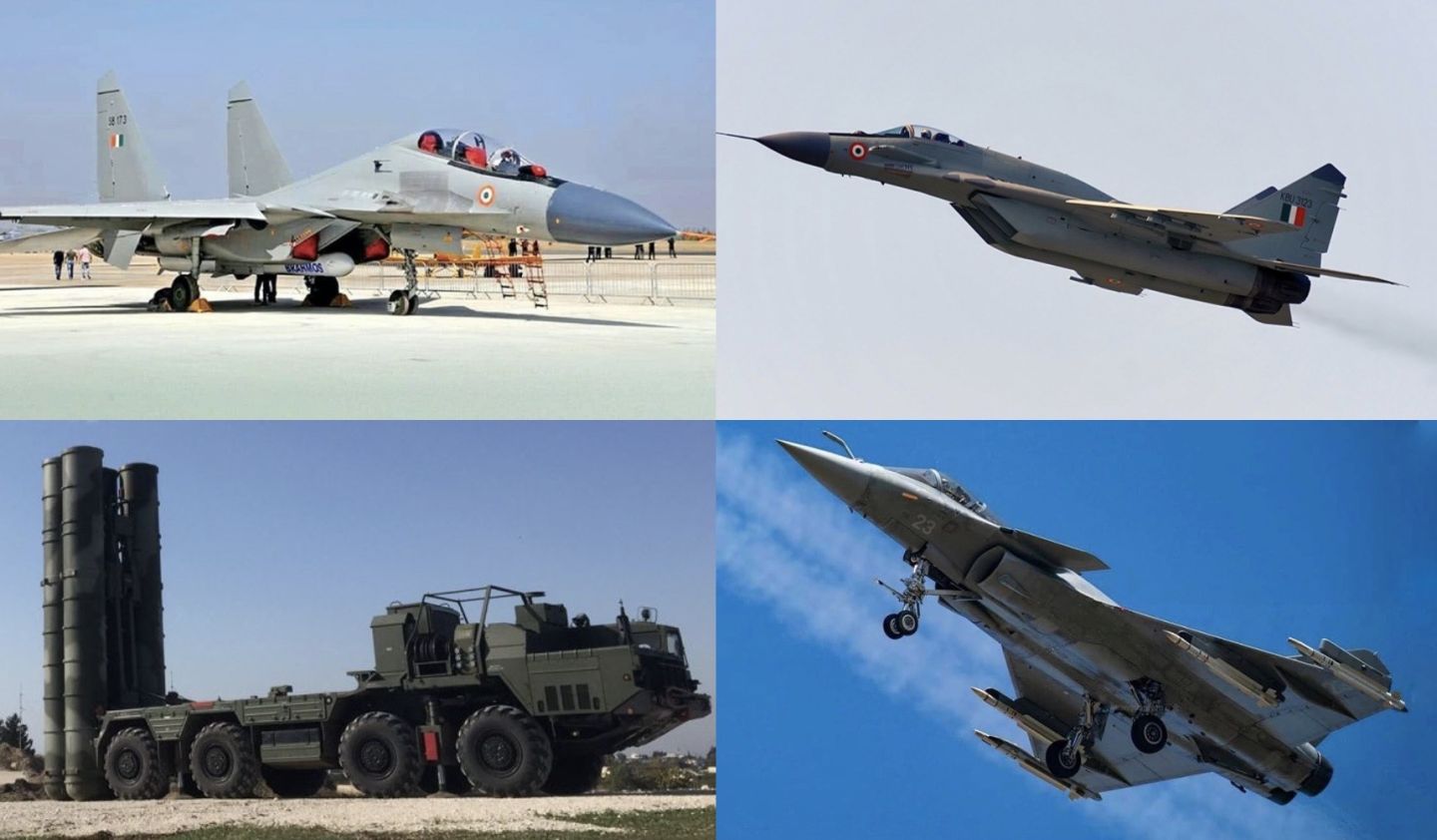
(clockwise from top left) Su-30MKI, MiG-20, Rafale, S-400
Following the brief standoff between Chinese and Indian forces in Galwan Valley, which notably saw the Indian Army take over 150 casualties, Russia has pledged to bolster its South Asian partner’s defences with an early delivery of the S-400 air defence system ordered in October 2018. With India considering an emergency purchase of 33 MiG-29UPG and Su-30MKI fighters, Russia has offered to deliver these within a very short time - most likely before the year’s end. India is also considering further acquisitions of high end Russian armaments to modernise its inventory and better counter Chinese forces - notably including more T-90 battle tanks and new MiG-35 ‘4++ generation’ fighters. One of the major benefits of Russian weapons sales comes from its position as an established manufacturer of armaments on a large scale, which allows it to manufacture new weapons both cost effectively due to economies of scale and quickly enough to meet the requirements of its clients.
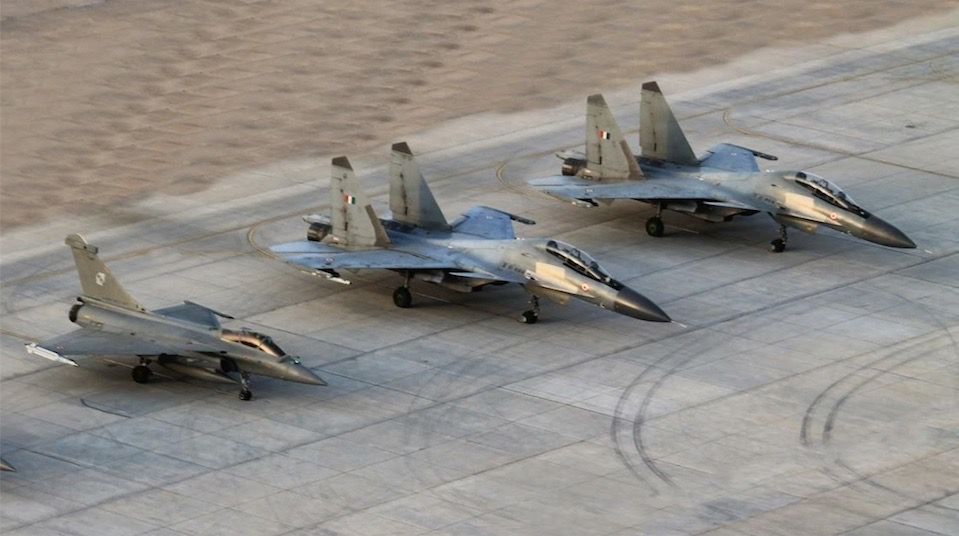
While Russia has provided significant and timely support for India’s armed forces, Delhi’s other major arms supplier France has notably fallen far short on delivering the 36 fighters ordered under a controversial deal. It was previously highlighted by Indian opposition parties and by a number of military analysts that the French Rafale fighters on order are setting the defence ministry back over $240 million per aircraft, 50% more per unit that America’s fifth generation F-35A is marketed for export and several times the price of its Russian analogues. This has fuelled widespread allegations of serious corruption in the deal, with the Rafale’s performance also considered inferior to Russian supplied Su-30MKI heavyweight fighters acquired at fraction of the cost - of which India already fields several hundred.
Adding to the controversy surrounding the Rafale deal, France has been extremely slow in delivering the aircraft. Four years after the first contract was signed India has yet to field a single operational squadron. The small scale of production and general inefficiency of the French defence sector, particularly when compared to Russia or the United States, has limited its ability to meet orders in a timely manner or at an efficient price. Although France pledged on June 29th to speed up deliveries, the rate remains extremely slow relative to larger defence manufacturers - be it Russia supplying the Su-30, the U.S. supplying F-16s and F-35s or China supplying its own fleet with new highly sophisticated J-10C and J-20 fighters. This is likely to undermine the argument for further Rafale purchases, with India instead looking to produce Russian MiG-35 ‘4++ generation’ jets from a similar weight range and with comparable capabilities under license, much faster and at a much lower price.
